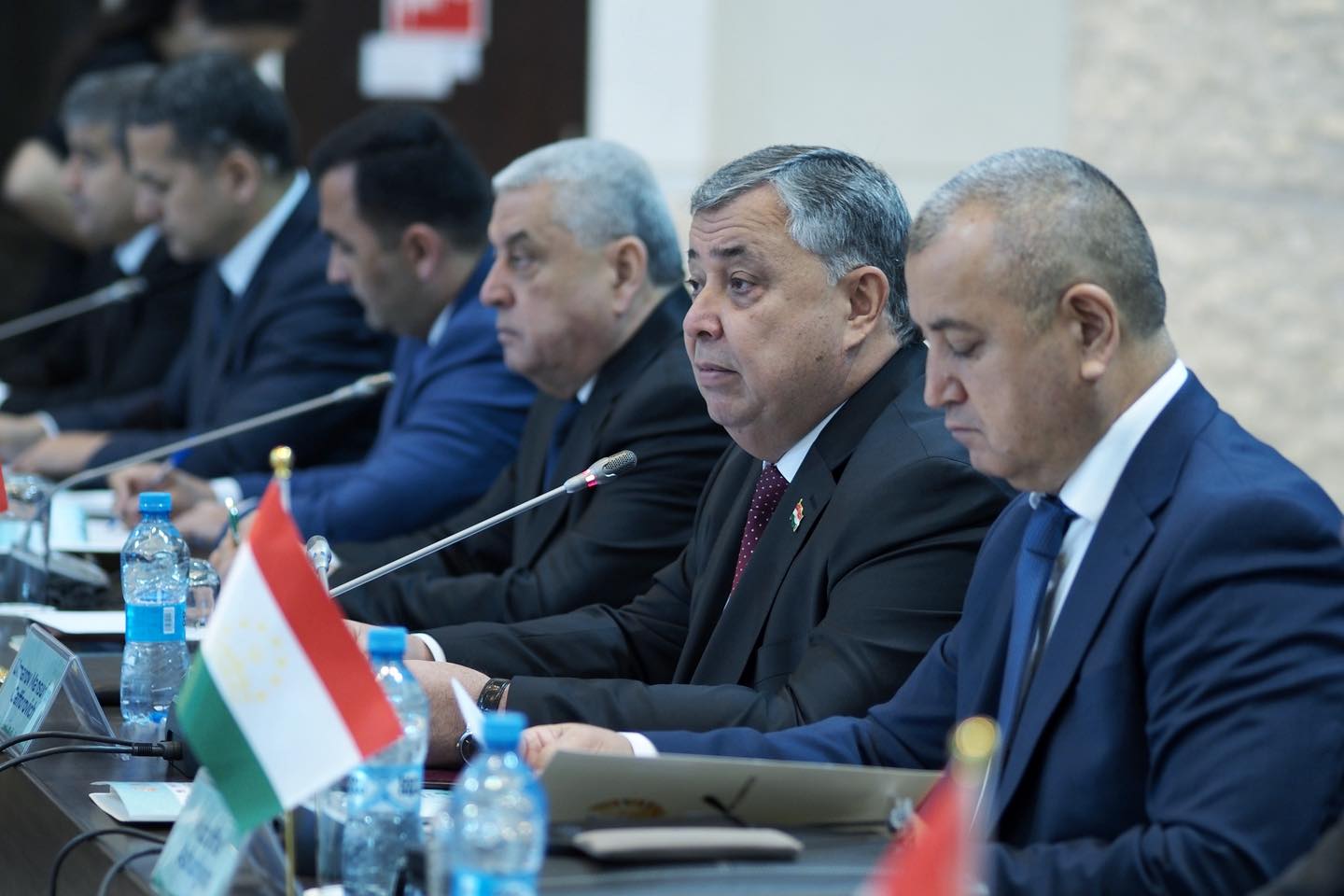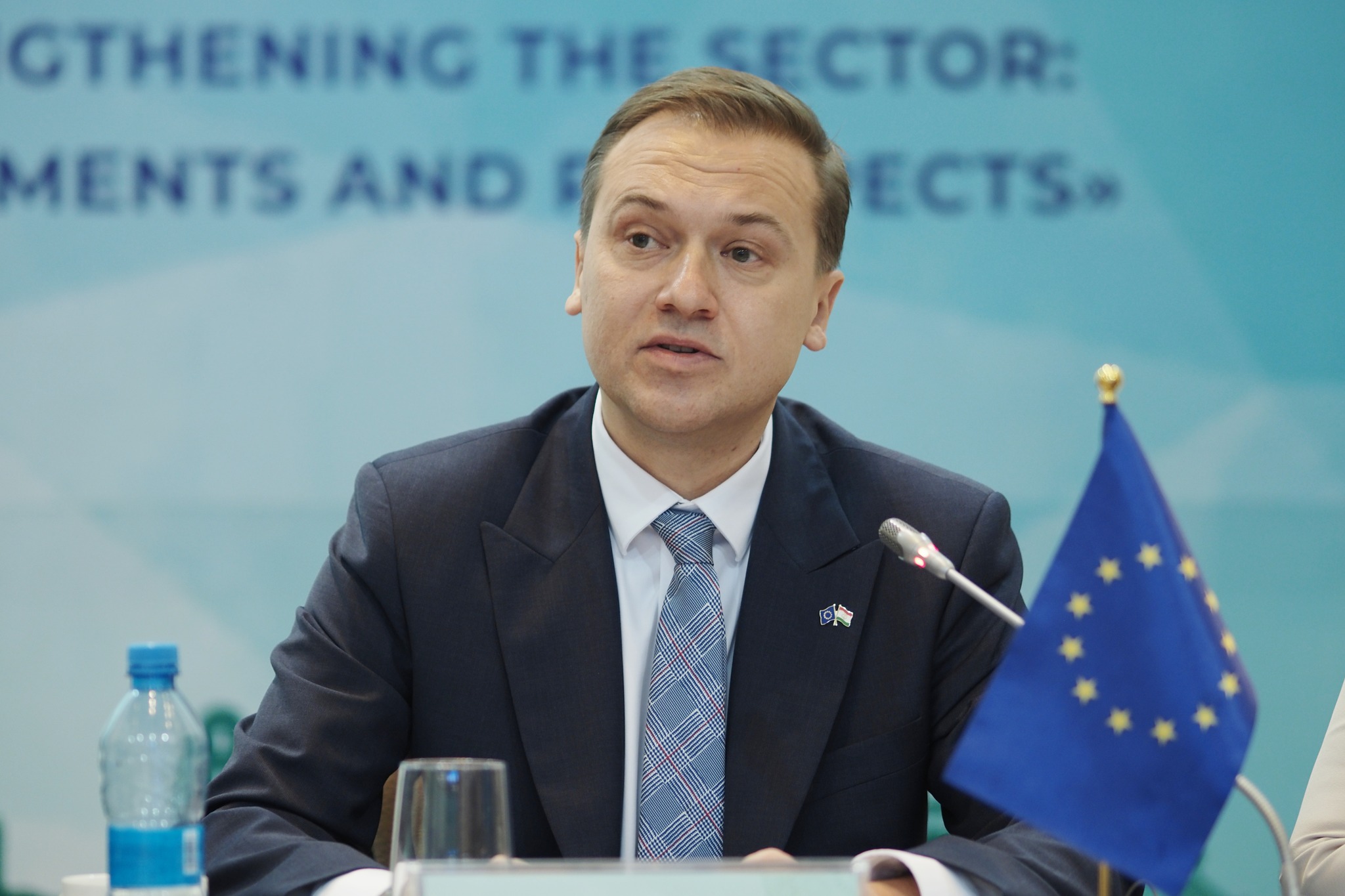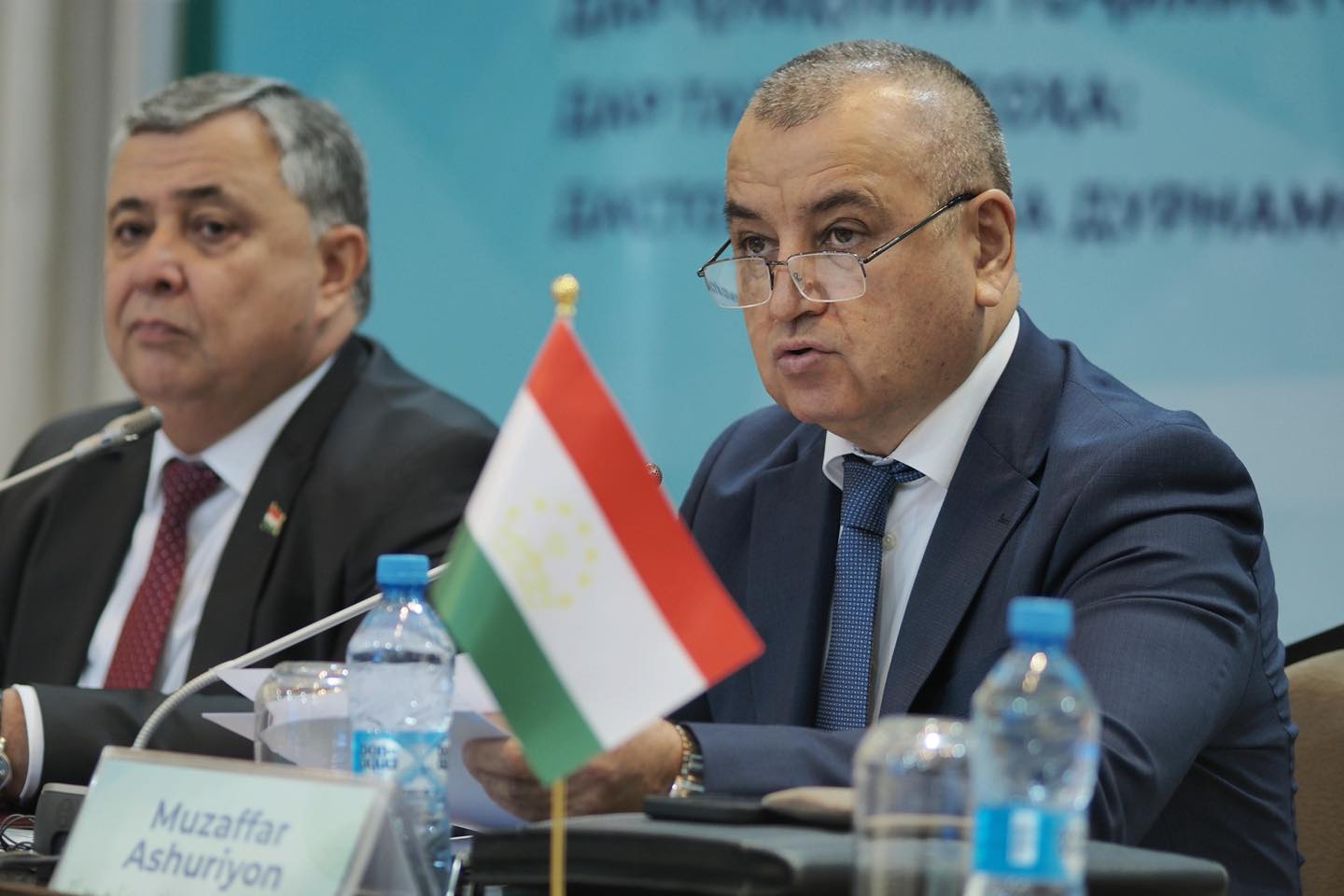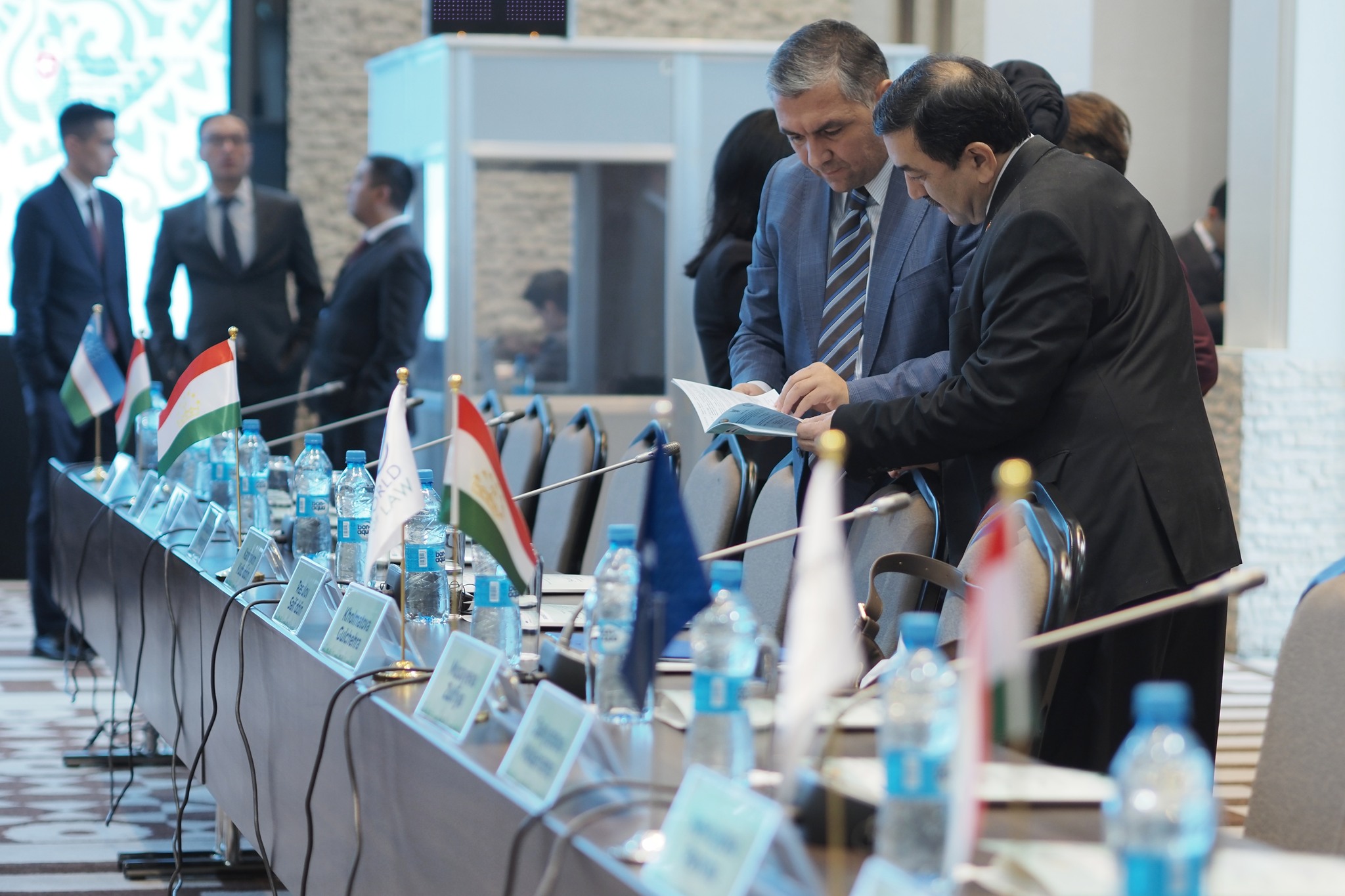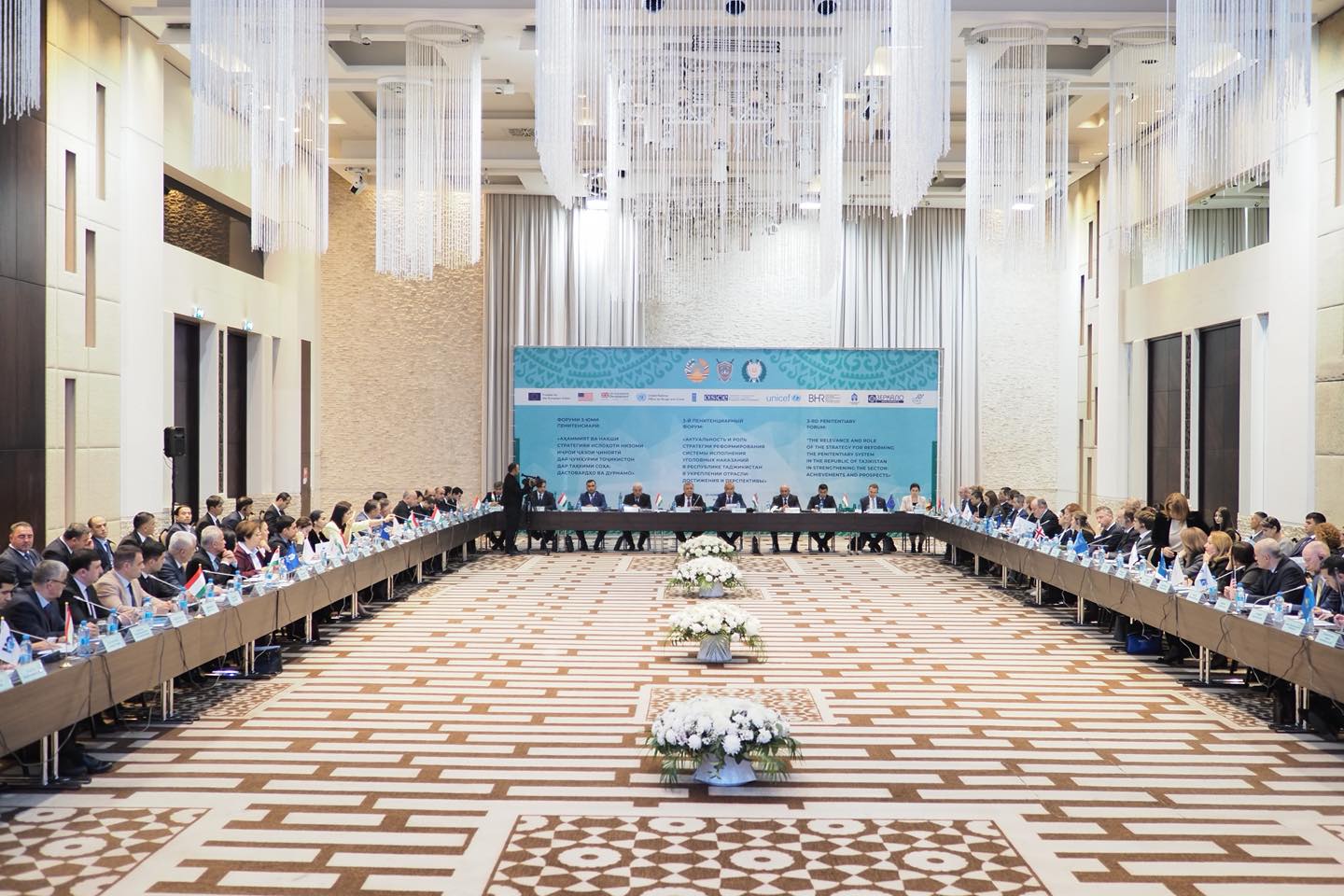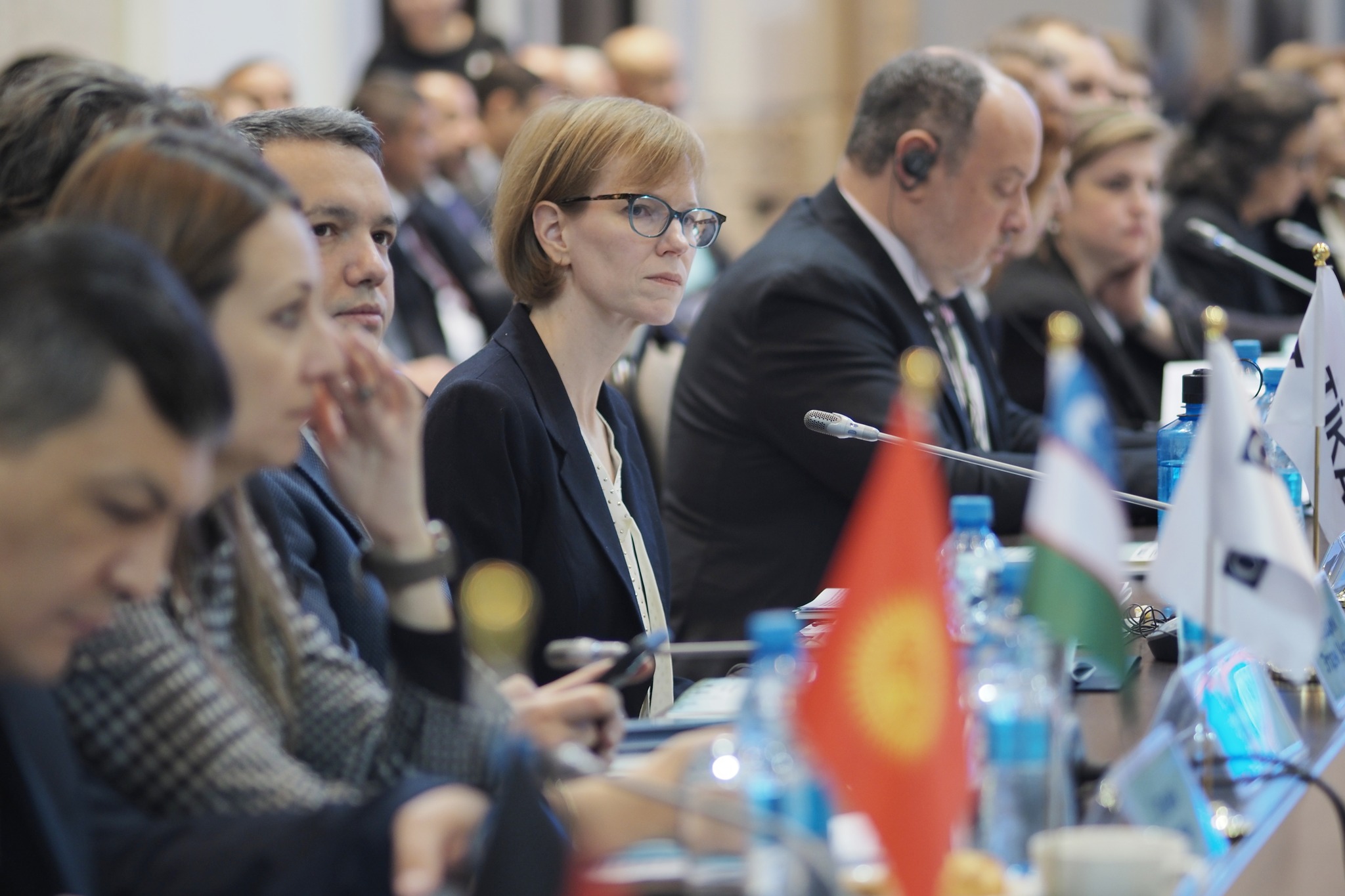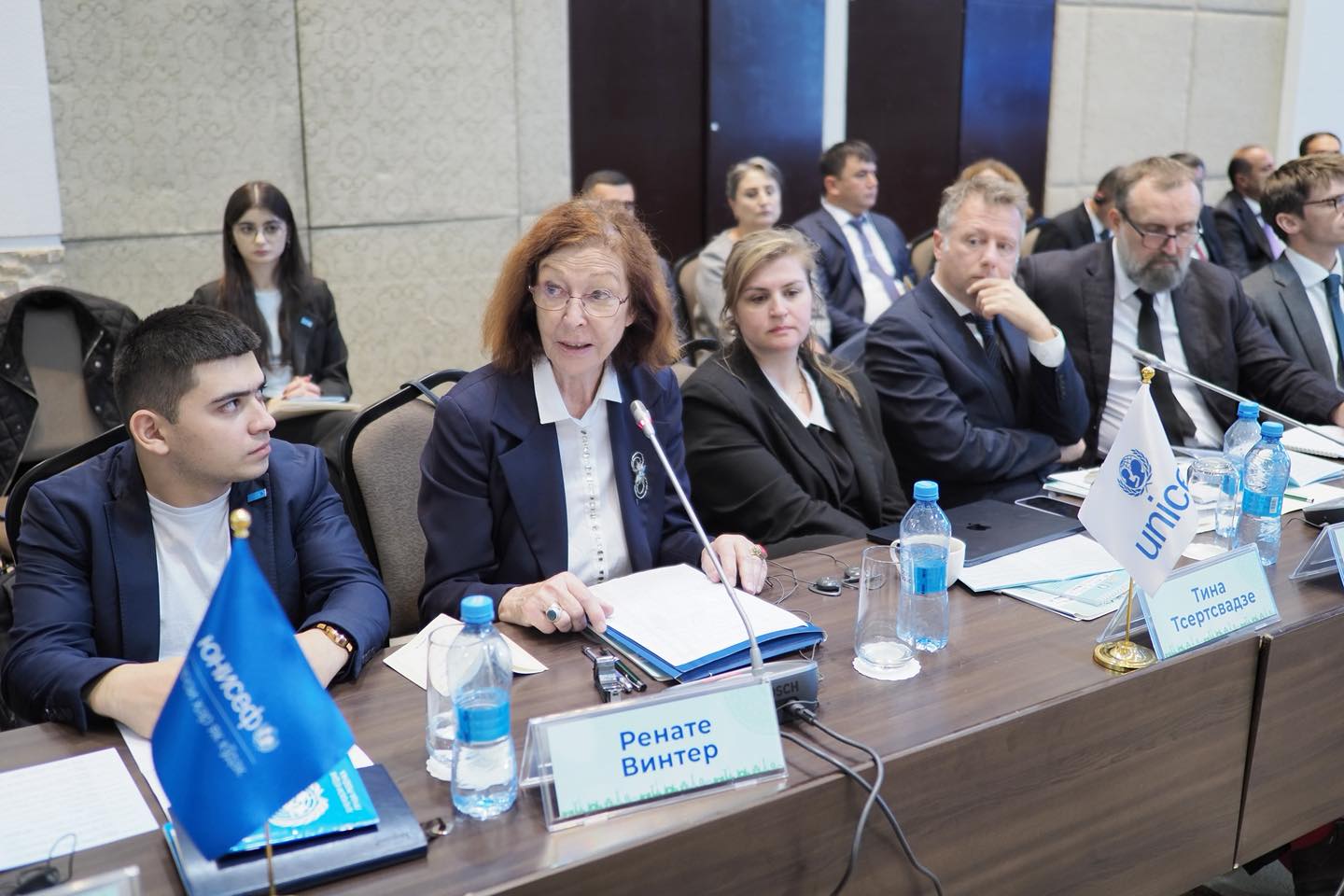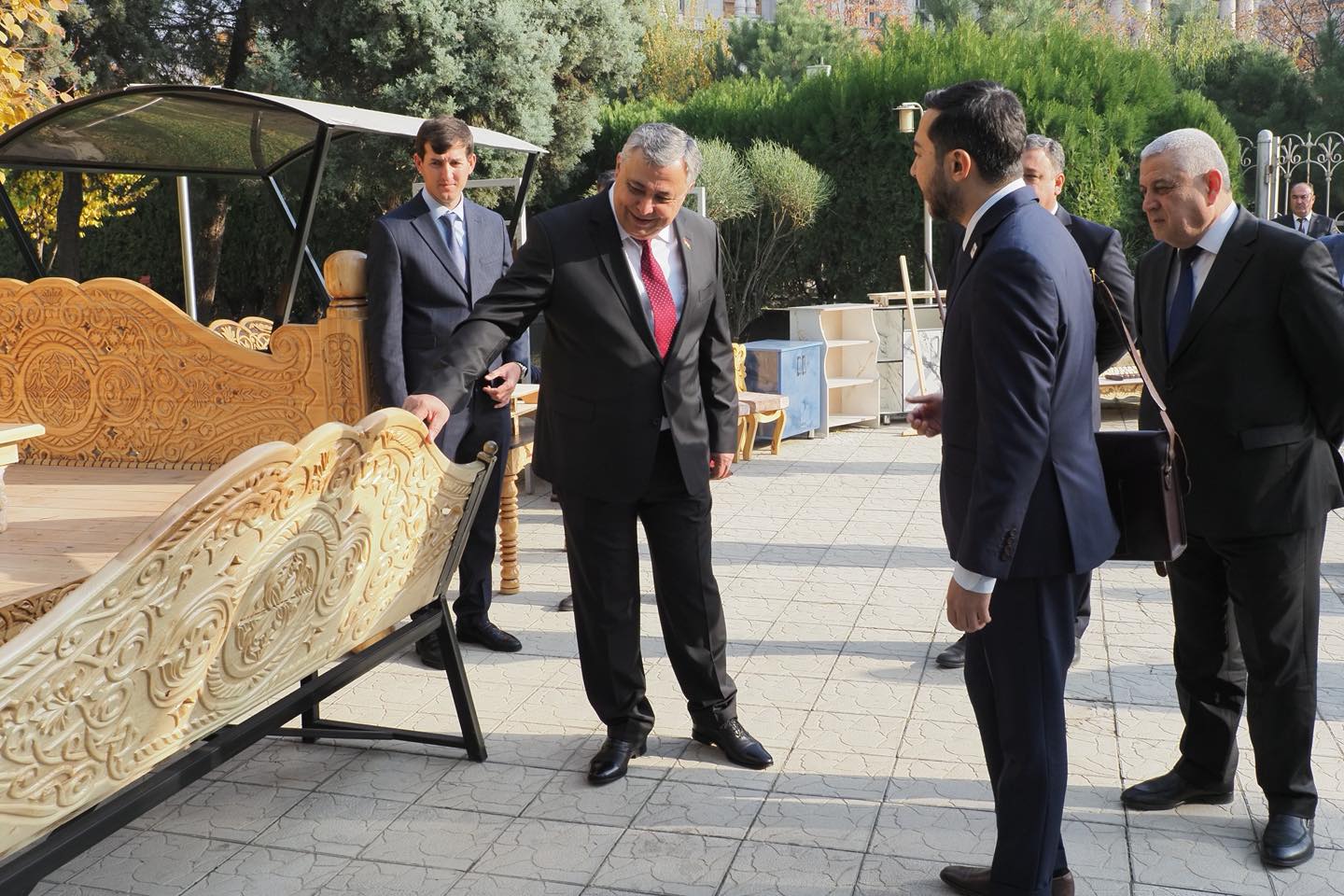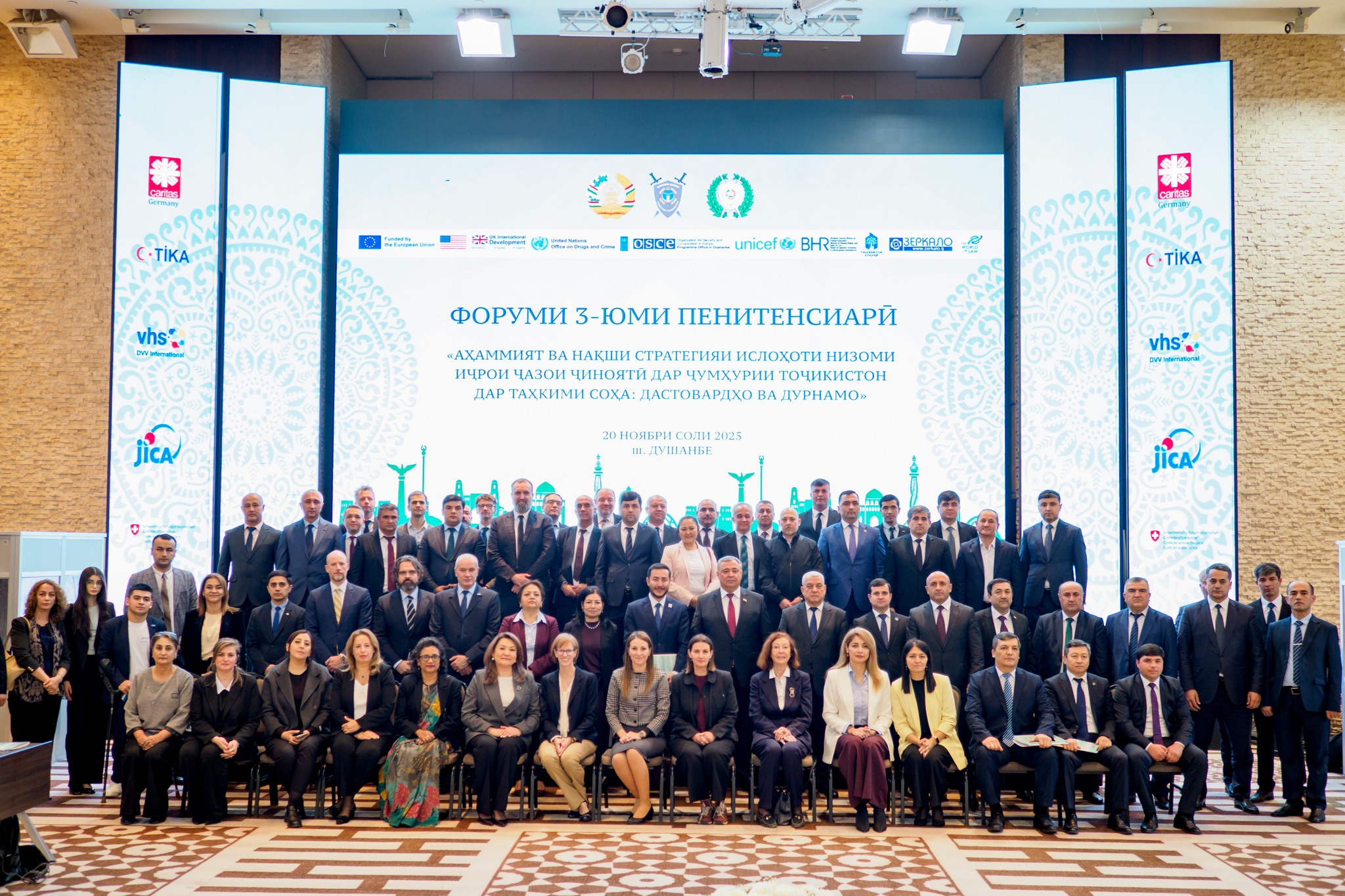
Dushanbe, 20 November 2025. The III Prison Forum is taking place in the capital of Tajikistan, serving as a high-level national platform that brings together representatives of state authorities, the judiciary, civil society, and international organizations to discuss key directions for reforming the country’s penitentiary system.
The event is organized by the Main Directorate for the Execution of Criminal Penalties under the Ministry of Justice of the Republic of Tajikistan, with the support of the European Union (EU), the OSCE Programme Office in Dushanbe, the United Nations Office on Drugs and Crime (UNODC), the United Nations Children’s Fund (UNICEF), as well as partner civil society organizations — the Public Organization “Bureau on Human Rights and Rule of Law,” the Public Foundation “Tashabbusi Huquqi,” the Public Organization “World of Law,” the Public Organization “Zerkalo,” Prison Insider, Perspectivity Challenge, and the Centre for Development and Justice International (CDJI).
The Forum is being held at a pivotal moment as Tajikistan completes the first phase of implementing the Strategy for Reforming the System for the Execution of Criminal Penalties of the Republic of Tajikistan up to 2030 and begins developing a new Action Plan for 2026–2030.
In recent years, the country has achieved significant progress: detention conditions have improved, and rehabilitation and vocational training programmes have been introduced. More than 9,000 convicted persons annually participate in educational and employment programmes aimed at facilitating their social reintegration after release.
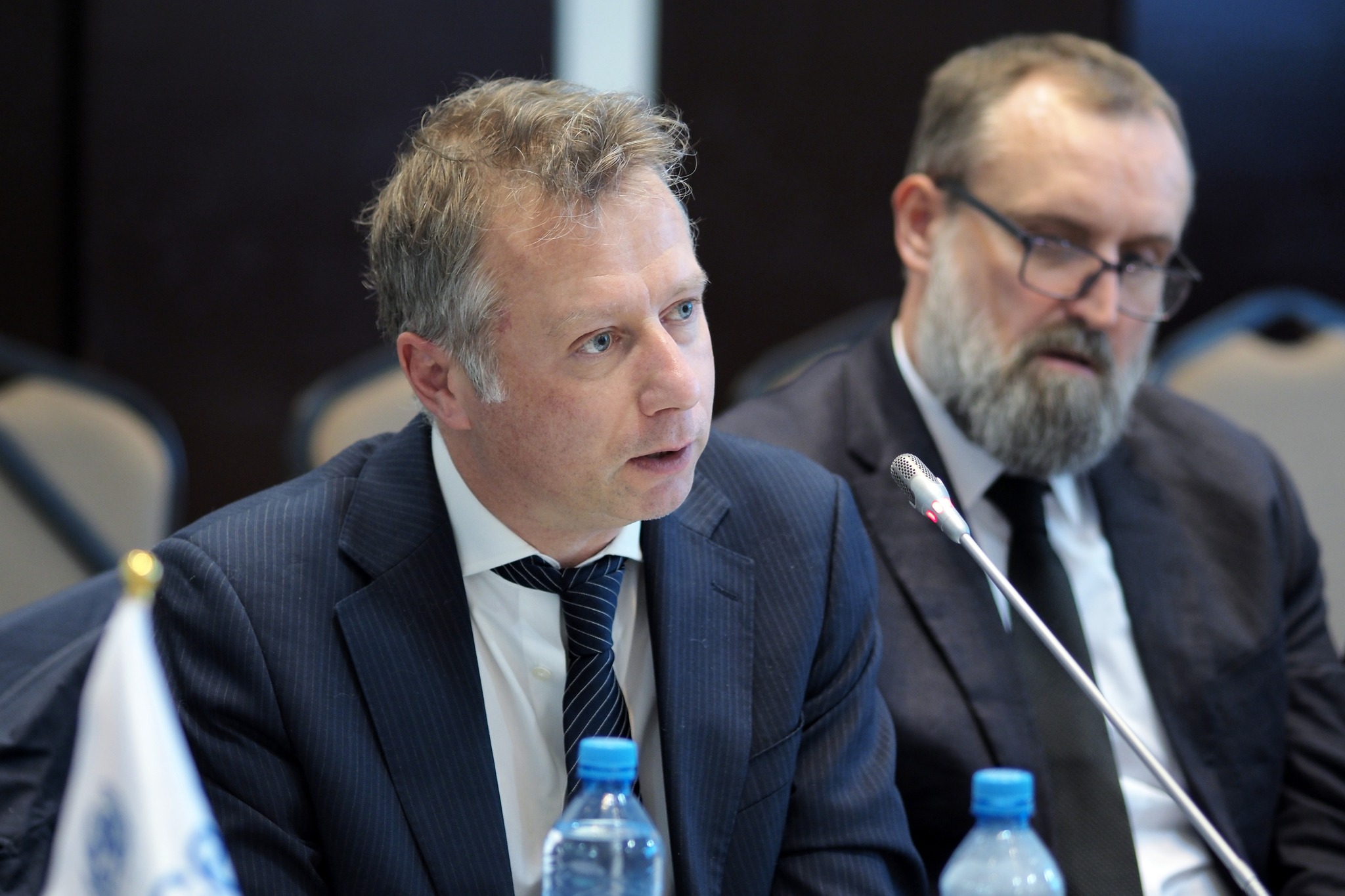
“I am particularly pleased to be here, as today’s event continues the joint process initiated in 2019 with the First Penitentiary Forum, organized with the support of the European Union in cooperation with prison administrations, diplomatic missions, and civil society organizations. It can be said that we have succeeded in building a strong partnership between the Tajik authorities, the international community, and civil society, and today’s Forum demonstrates the value of this partnership,” emphasized Radosław Darski, Ambassador of the European Union to Tajikistan.
The Forum focuses on three interconnected areas:
– the development of probation and alternatives to imprisonment, including the introduction of measures that reduce recidivism and enhance reintegration;
– countering violent extremism and radicalization through the exchange of experience on prevention and rehabilitation;
– rehabilitation measures for juveniles, promoting child rights-based approaches and international standards.
“The United Nations Office on Drugs and Crime highly appreciates the efforts of the Main Directorate to implement the UN Standard Minimum Rules for the Treatment of Prisoners — the Nelson Mandela Rules. In recent years, new management mechanisms have been developing in Tajikistan, aimed at improving the management of high-risk offenders and preventing extremism within institutions,” noted Madina Sarieva, International Coordinator at UNODC.
One of the central topics of the Forum is the adoption of the Law on Probation and the establishment of a National Probation Service, which will expand the use of non-custodial measures, ensure individualized support for offenders, and reduce the burden on the prison system.
“For more than ten years, the Bureau on Human Rights and Rule of Law has contributed to reform. We promote international standards for the treatment of prisoners, train staff, and support the introduction of probation as a modern alternative to imprisonment,” said Nargis Zakirova, Director of the Public Organization “Bureau on Human Rights and Rule of Law.”
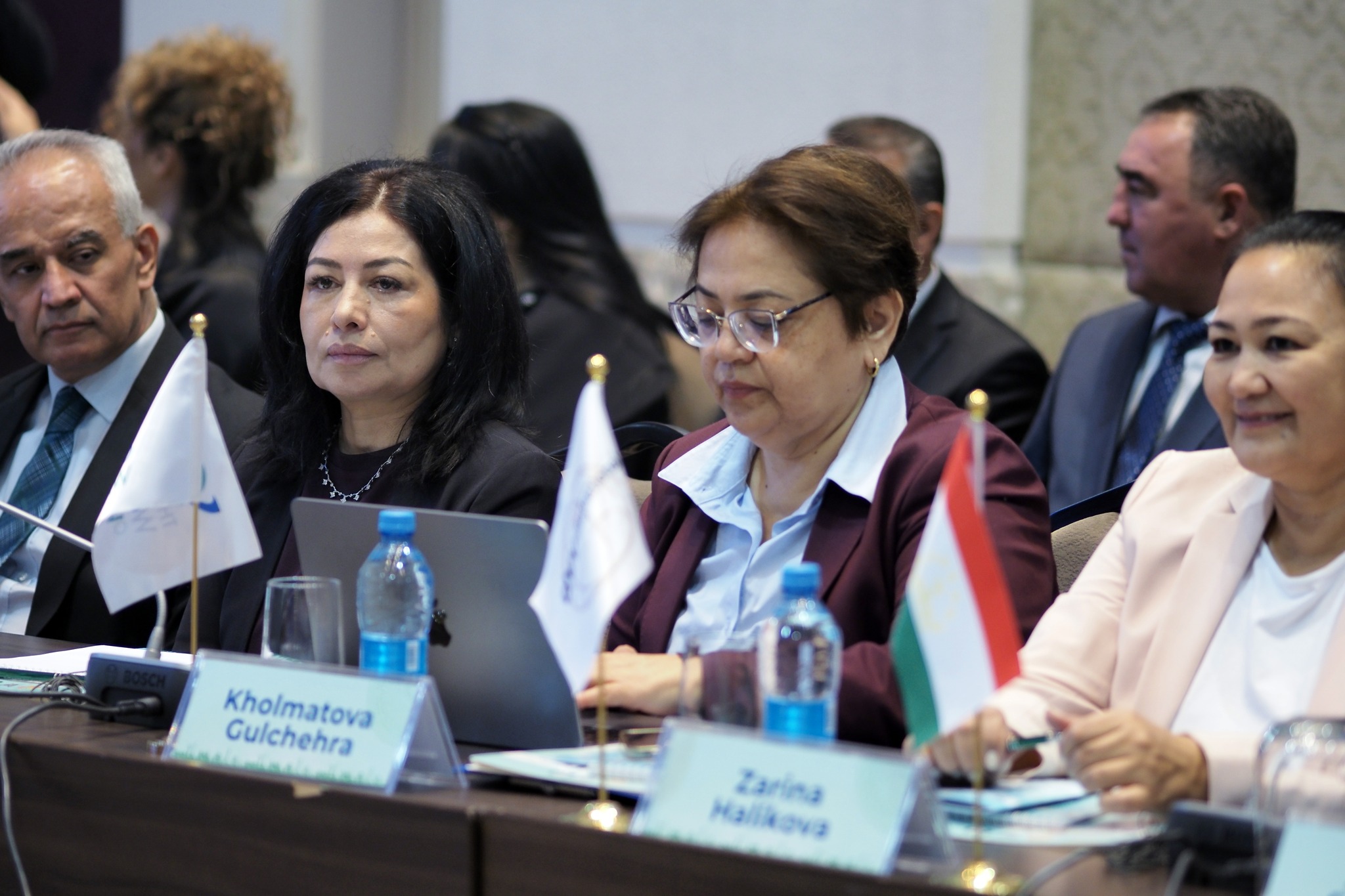
“For us, it is important not only to identify human rights issues but also to contribute to their systemic resolution. We train penitentiary staff on human rights standards and support the introduction of practices where respect for human dignity becomes the norm,” emphasized Gulchehra Kholmatova, Director of the Public Organization “World of Law.”
“Our programmes focus on children and young offenders. Rehabilitation should not be a one-time intervention but a systemic process. Work on their social reintegration and psychological support ensures that respect for their rights and human dignity is upheld at all levels of justice,” noted Gulchehra Rakhmanova, Director of the Public Foundation “Tashabbusi Huquqi.”
“The Forum has become a platform where professionals from different countries and sectors develop solutions capable of transforming the system from within. Sustainable reforms are only possible where political will, professionalism, and a humane approach to every person deprived of liberty are combined,” said Azamat Shambilov, President of the Centre for Development and Justice International (CDJI).
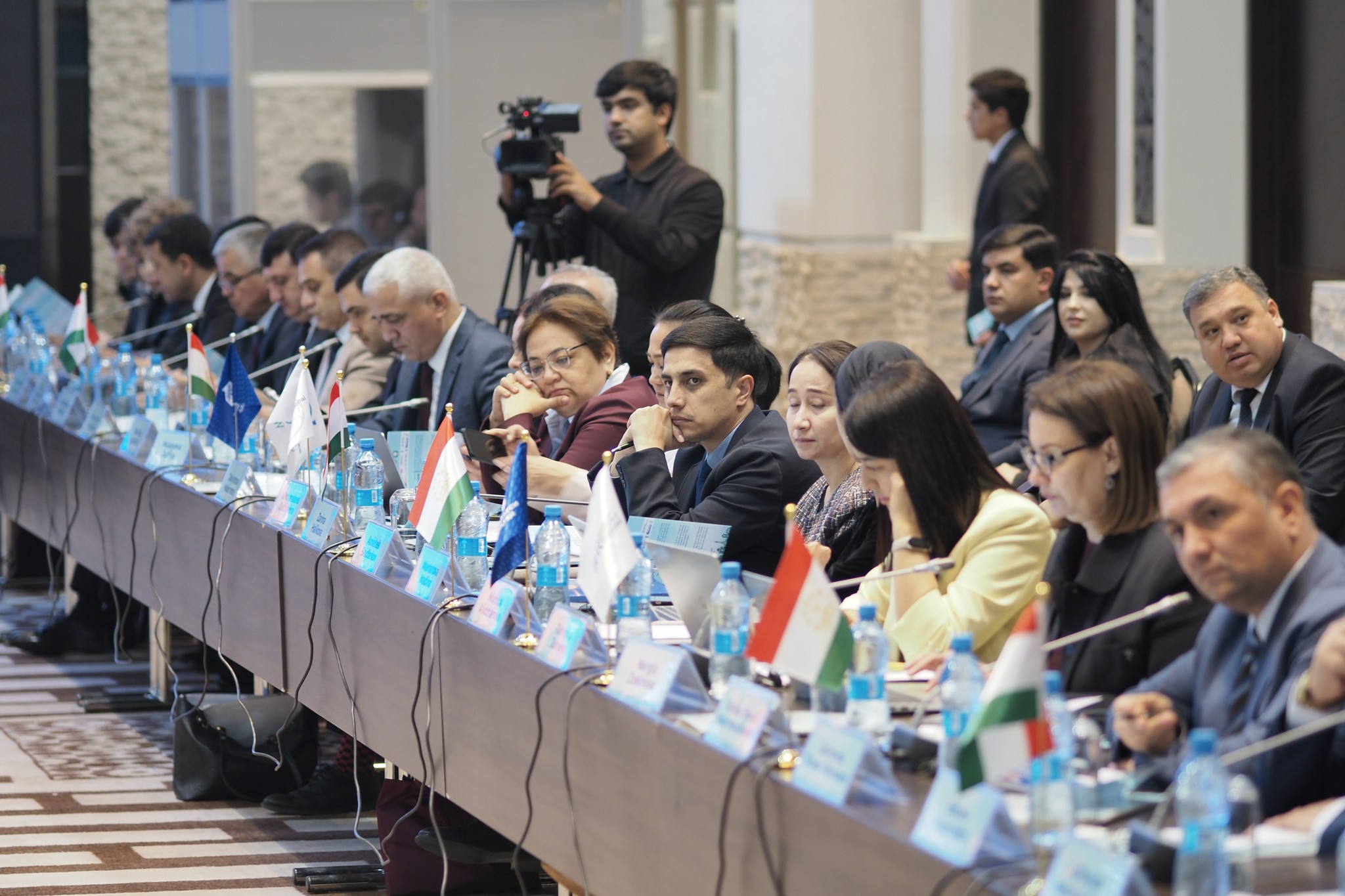
The Forum has brought together more than 100 participants, including representatives of the Ministry of Justice, the Supreme Court, the Ministry of Labour, Migration and Employment, the Human Rights Ombudsman, civil society organizations, international institutions, diplomatic missions, and academia.
The Forum will conclude with the development of a set of recommendations on strengthening the probation system, countering extremism, and improving staff working conditions, as well as the presentation of a draft Action Plan for implementing the Strategy for Reforming the System for the Execution of Criminal Penalties of the Republic of Tajikistan up to 2030.
The event is held with the financial support of the European Union within the framework of the project:
“Enhancing Civil Society and the State’s Capacities on Accountability and Torture Prevention through Human Rights Initiatives in Tajikistan”
and the United States of America within projects implemented with the Main Directorate for the Execution of Criminal Penalties of the Ministry of Justice of the Republic of Tajikistan, in close cooperation with UNODC, UNICEF, and the OSCE.