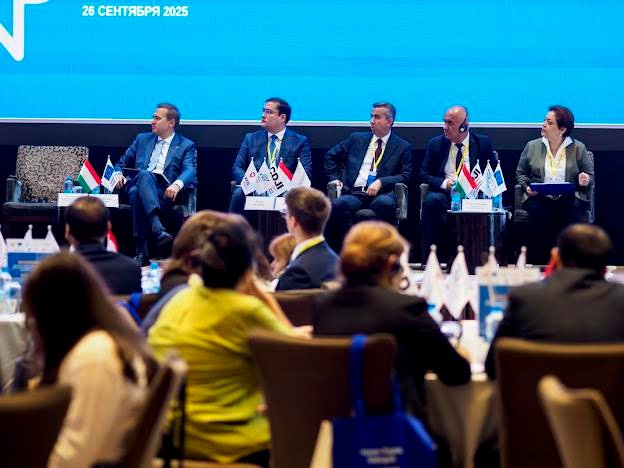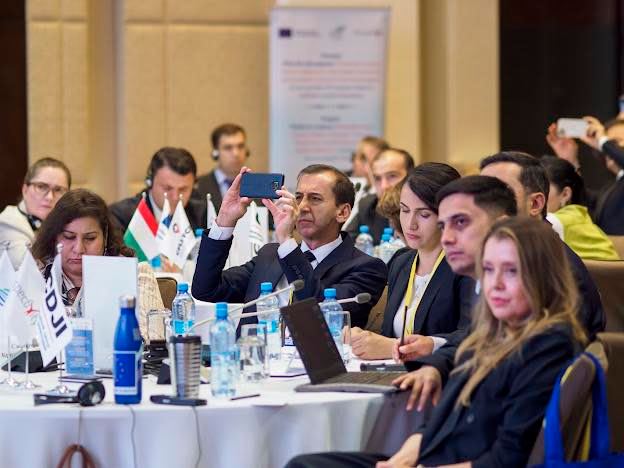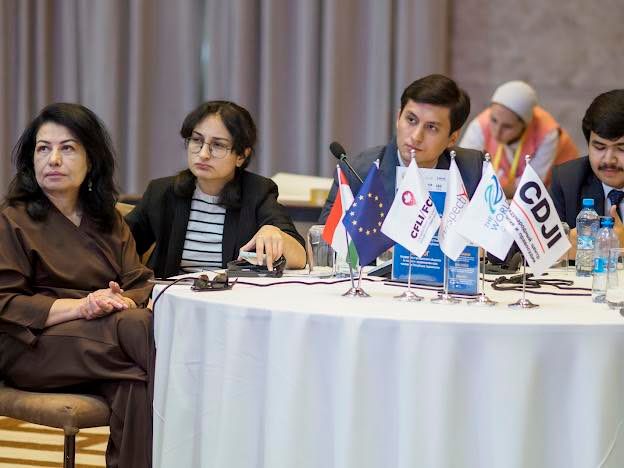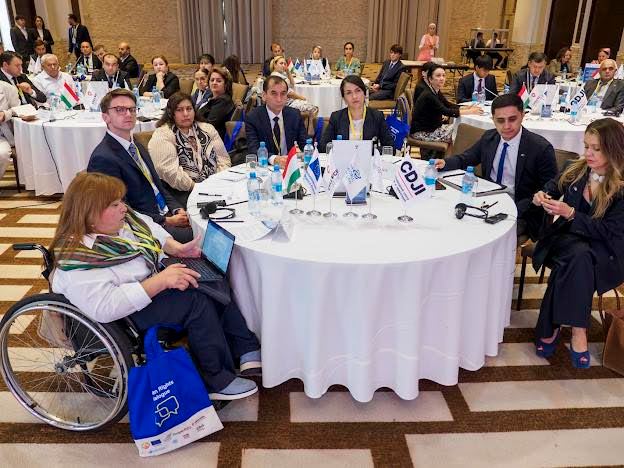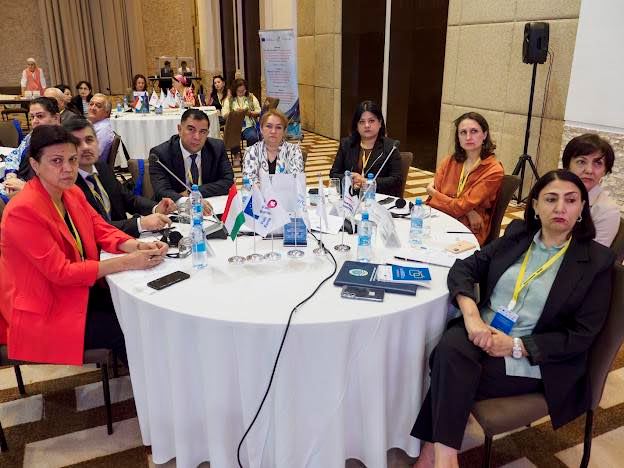
Dushanbe, 26 September 2025 – The second Dialogue between the state institutions and civil society on the protection and promotion of human rights was held in the capital of Tajikistan. This event brought together representatives of key state bodies, civil society organizations, international experts, and partners to discuss the implementation of recommendations developed during the first Dialogue in 2024, as well as to define new priorities in the field of human rights.
This year, the focus was placed on the development of the digital economy and innovation in Tajikistan for the period 2025–2030. Participants discussed how digital transformation can contribute to strengthening transparency, accountability, and more effective protection of human rights.
The objectives of the Dialogue included:
- assessing progress in the implementation of the 2024 recommendations;
- developing new solutions for the prevention of torture and improvement of conditions in detention facilities;
- defining the role of digital technologies in ensuring access to justice and expanding public participation.
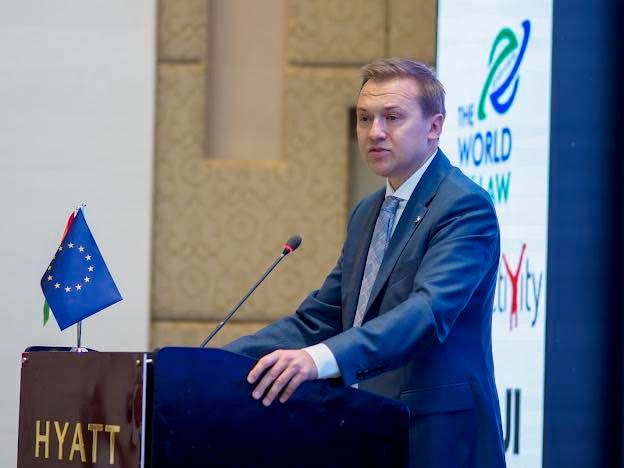
The Ambassador of the European Union to Tajikistan noted:
“Successful promotion of human rights is only possible in an environment of trust, open dialogue, and partnership. When the state and civil society join forces, it creates a strong foundation for fair and sustainable development.”
The Dialogue was attended by representatives of the Executive Office of the President of Tajikistan, the Majlisi Oli (Parliament), the General Prosecutor’s Office, the Supreme Court, the Ministry of Internal Affairs, the Main Directorate for the Execution of Criminal Penalties (MDEP), the Human Rights Ombudsman, the Committee on Women and Family Affairs, the Agency for Innovation, the Drug Control Agency, as well as national and international human rights organizations, experts, diplomats, and youth representatives.
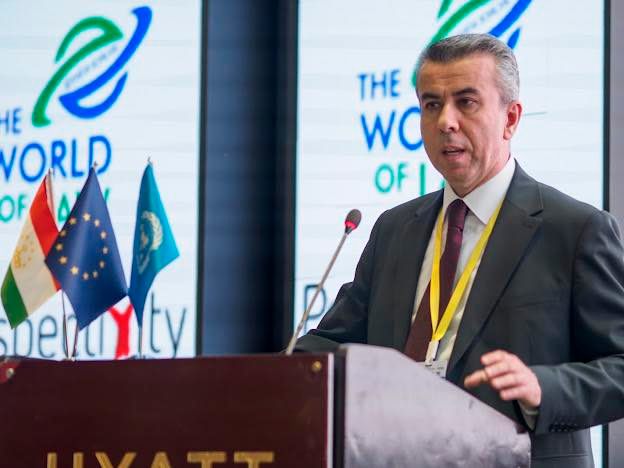
In her opening remarks, Gulchehra Kholmatova, Director of the Public Organization “World of Law,” emphasized:
“Civil society plays a key role in ensuring that human rights are not only enshrined in law but also protected in practice. This dialogue allows us, together with the state, to seek solutions that work for every citizen of the country.”
At the end of the event, participants agreed on new recommendations that will contribute to national reforms in the areas of human rights and justice for the period 2025–2030. Special attention was given to the introduction of digital solutions in governance, penitentiary reform, and the promotion of gender-sensitive approaches.
Lisette Gast, Head of Programmes at the Dutch foundation “Perspectivity Challenge,” stated:
“When government and civil society come together, they do not just exchange ideas — they build trust, relationships, and a shared vision. This partnership is where the true strength of society lies.”
This second Dialogue represented an important step toward strengthening trust and open cooperation between the state and civil society. The outcomes of the meeting will be taken into account in the development of national reforms and will contribute to building a more just and inclusive human rights protection system in Tajikistan.
The event was organized by the Public Organization “World of Law” in cooperation with the Dutch foundation “Perspectivity Challenge,” within the framework of the projects “Path to Justice: Strengthening Human Rights through Torture Prevention and Penitentiary System Reform”, funded by the European Union, and “Promoting Human Rights in Tajikistan through Capacity Building of the Ombudsman, Strengthening Civil Society, and Improving Legal Aid for Vulnerable Groups in Detention”, funded by the Canada Fund for Local Initiatives (CFLI). Cooperation was also carried out with the Executive Office of the President of Tajikistan, the Ombudsman of Tajikistan, and the Regional Office of the United Nations High Commissioner for Human Rights for Central Asia.