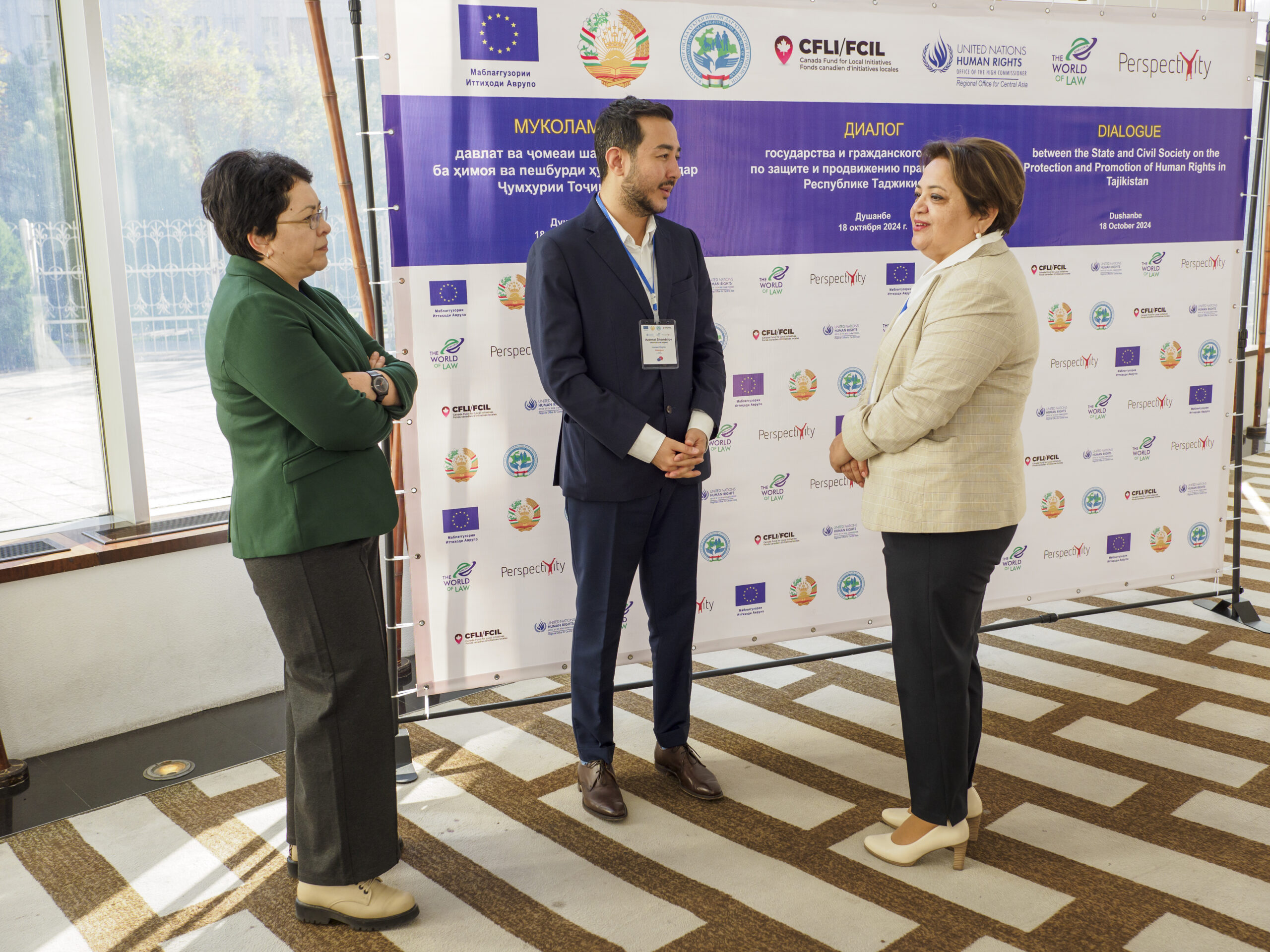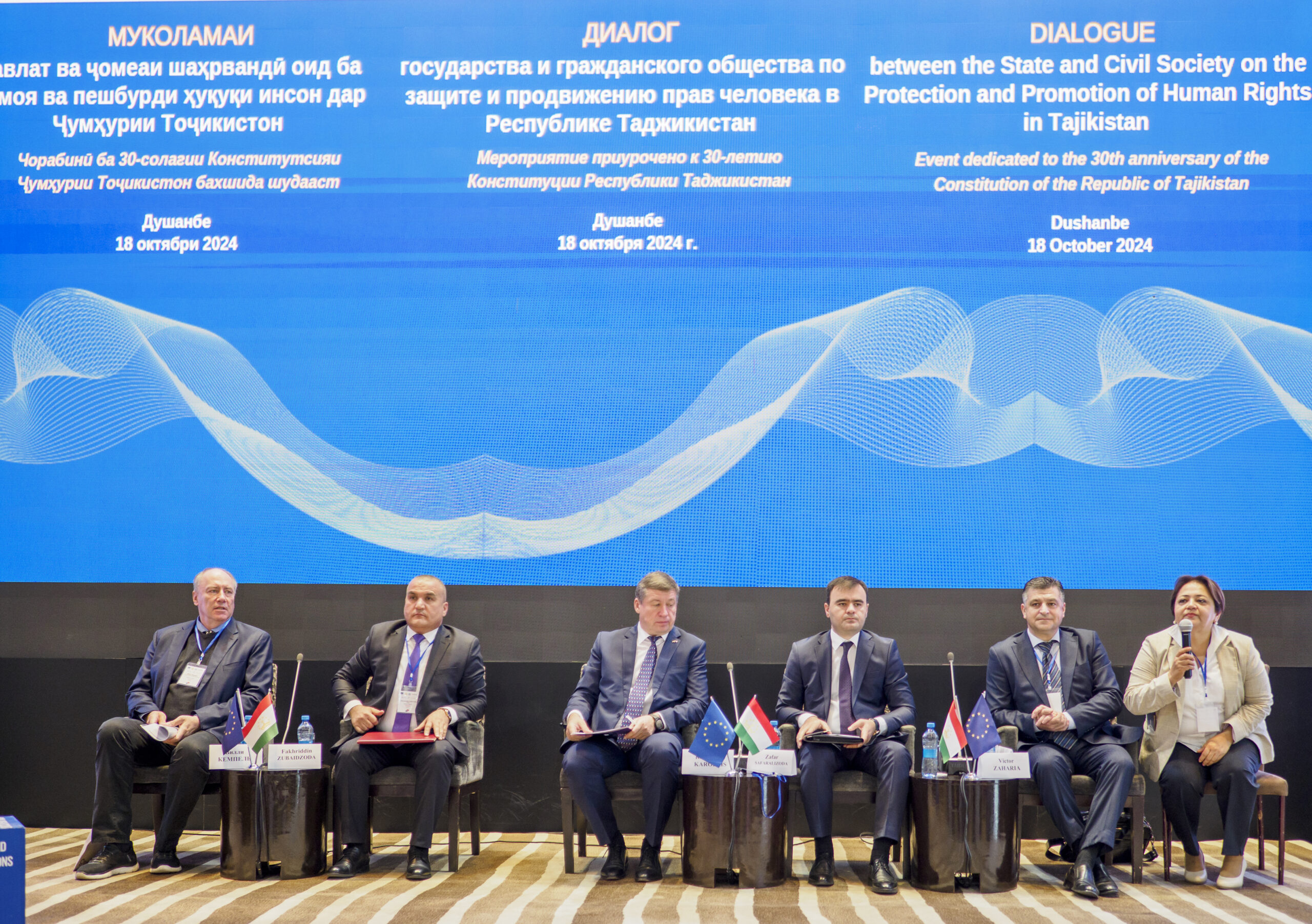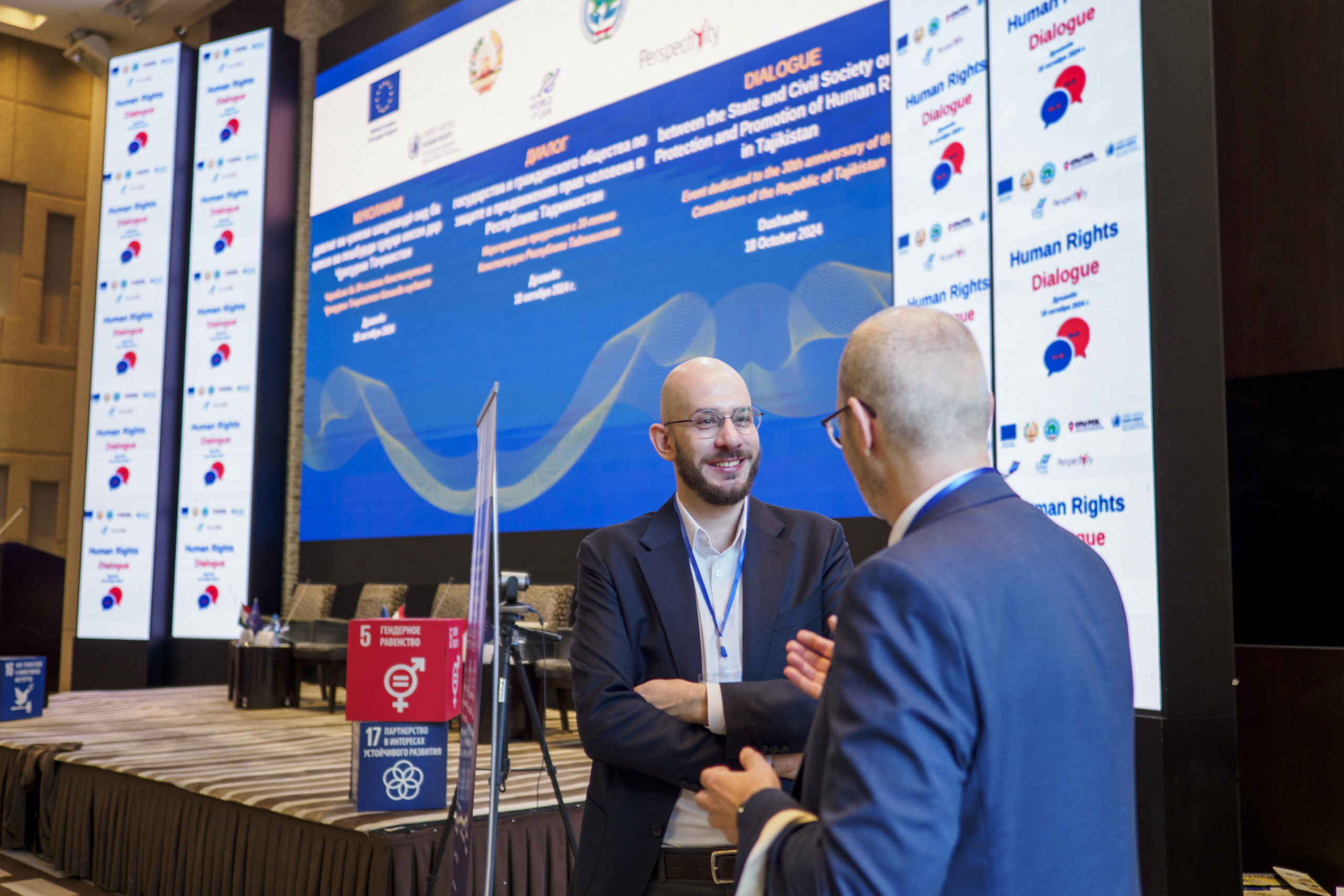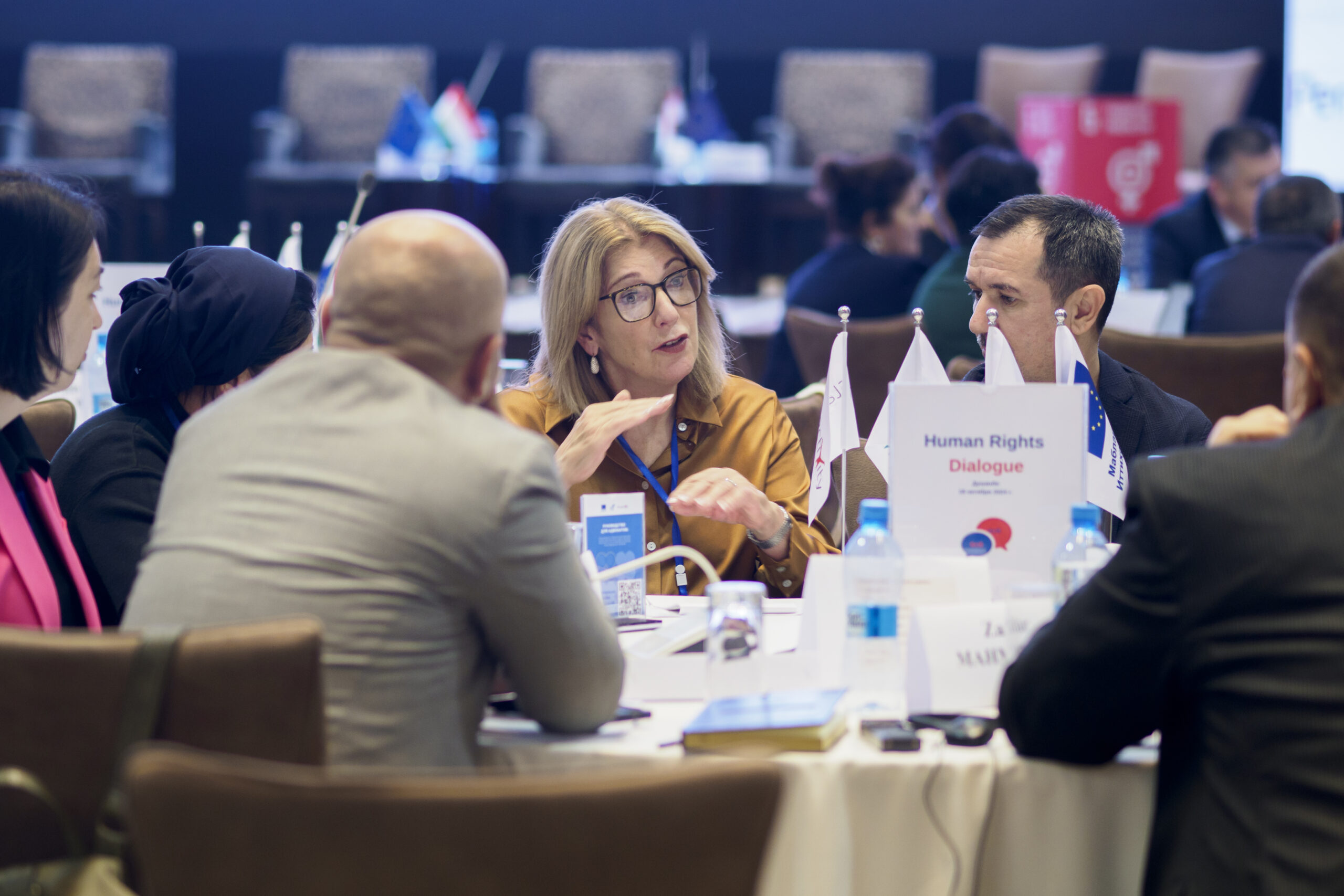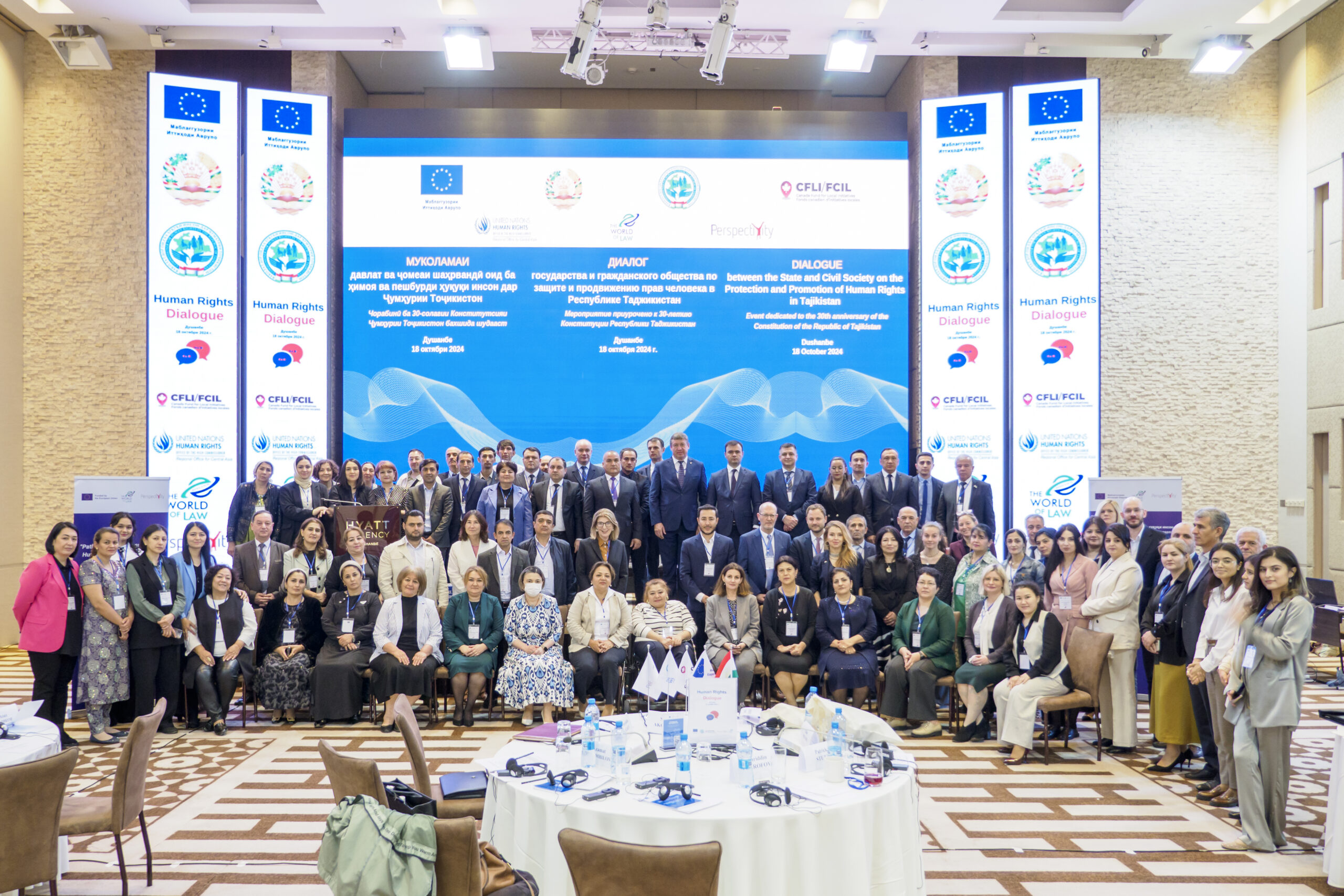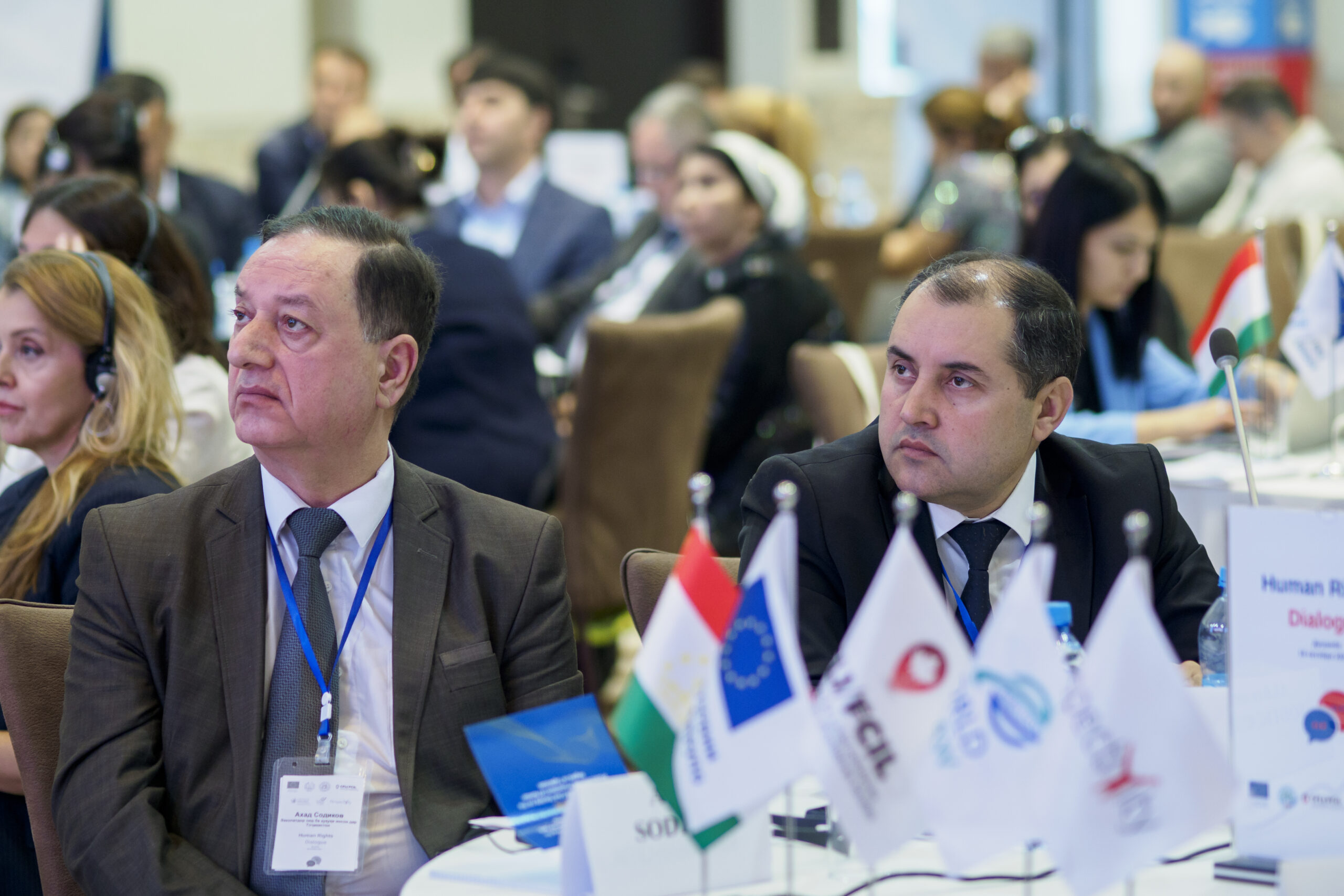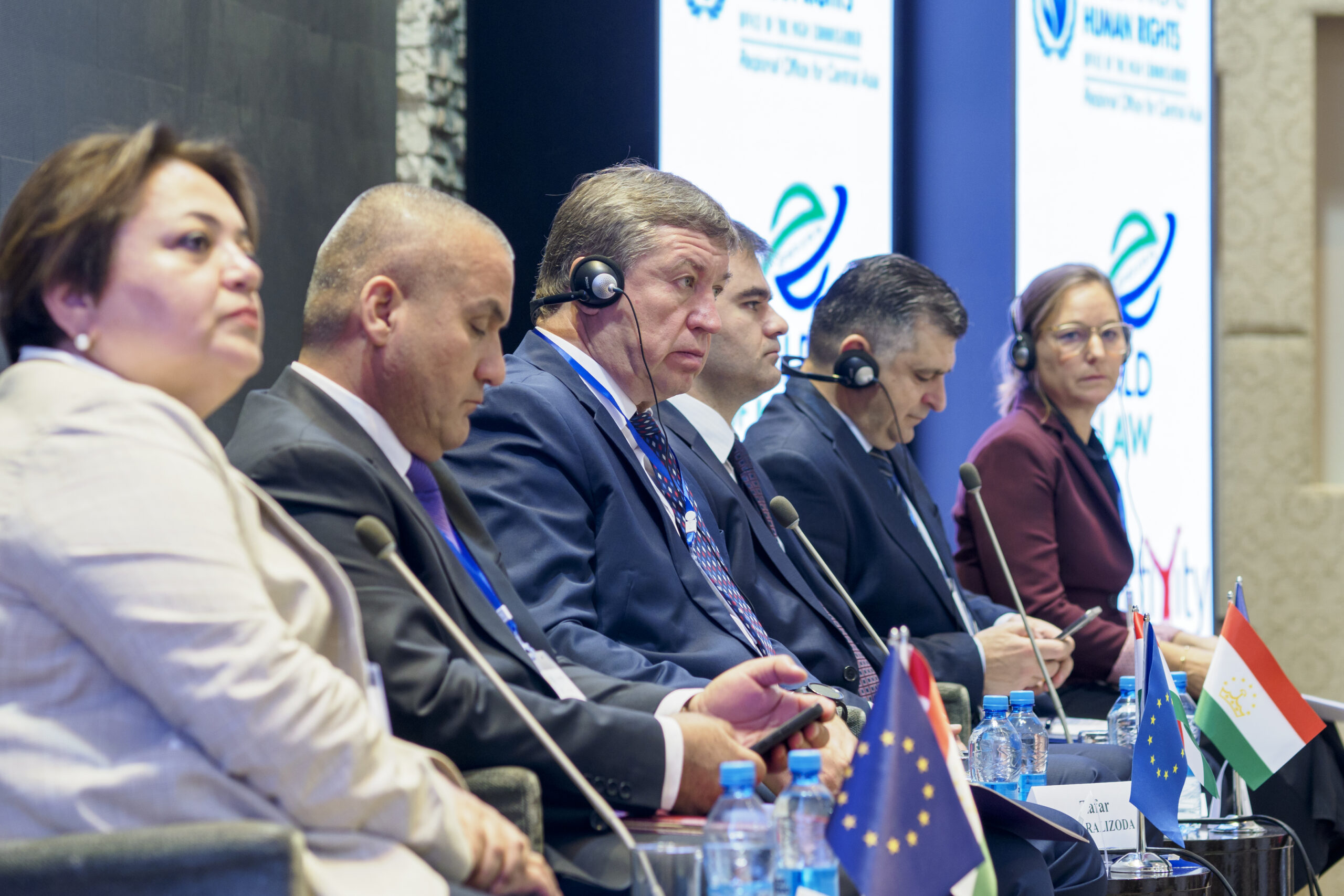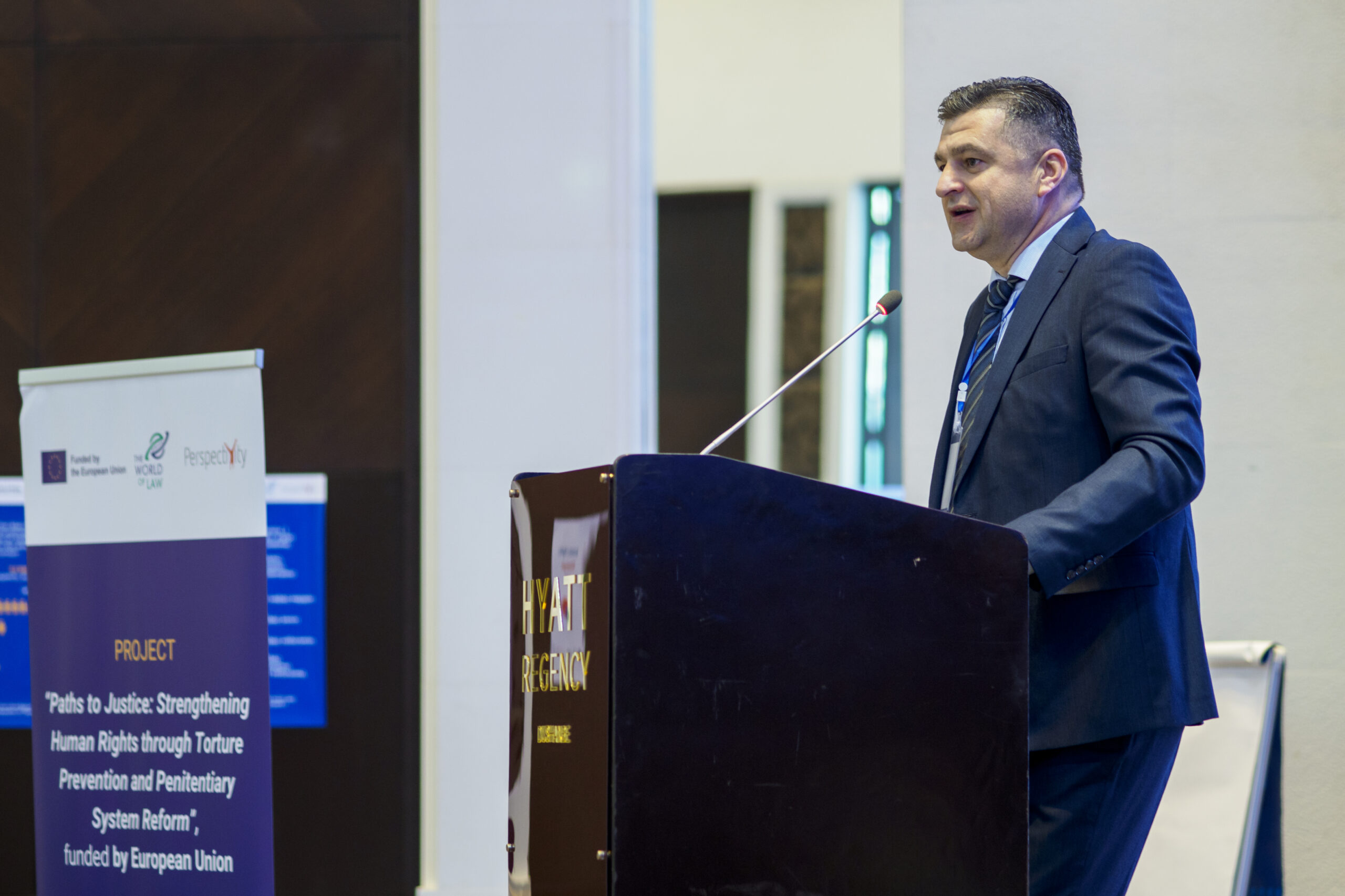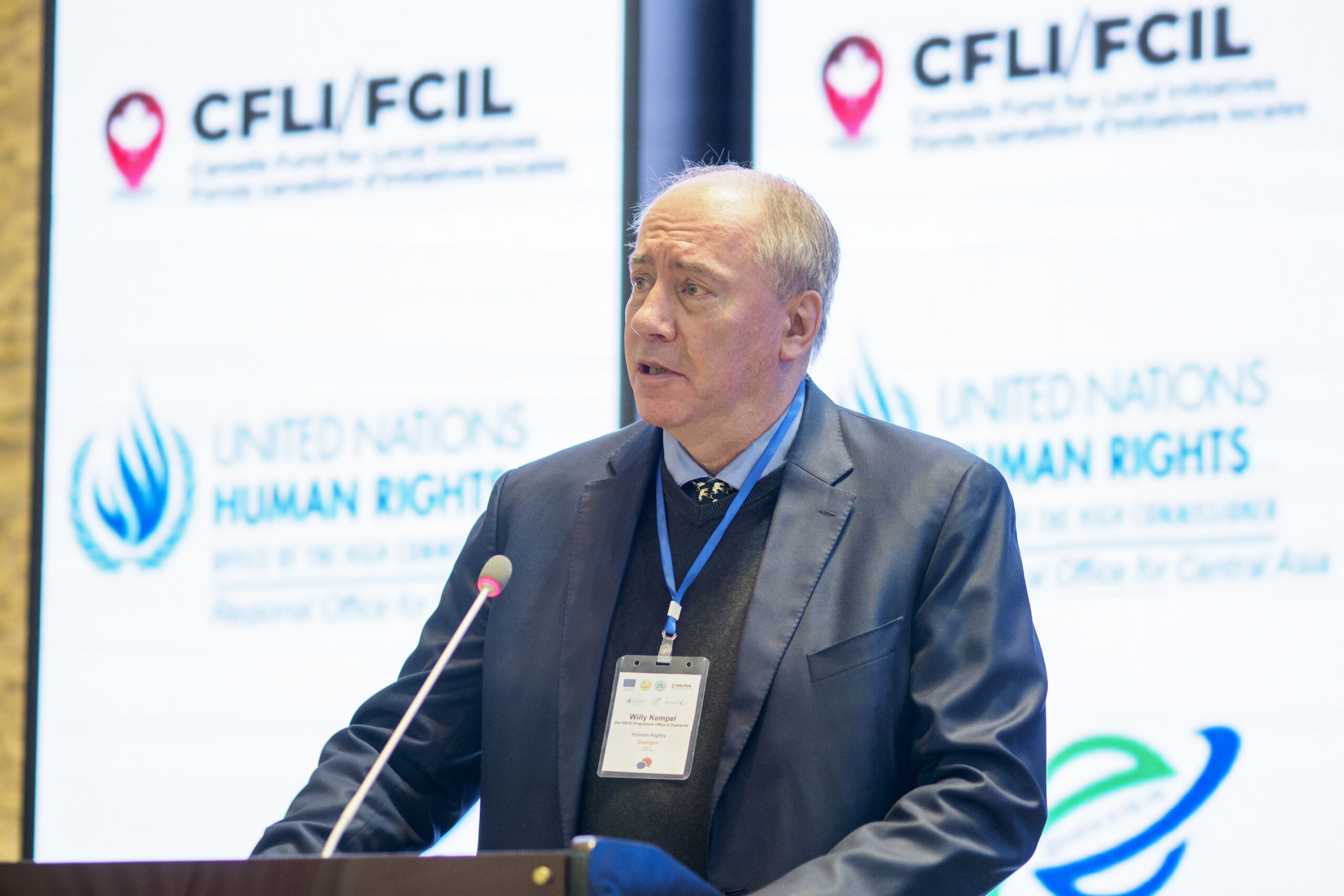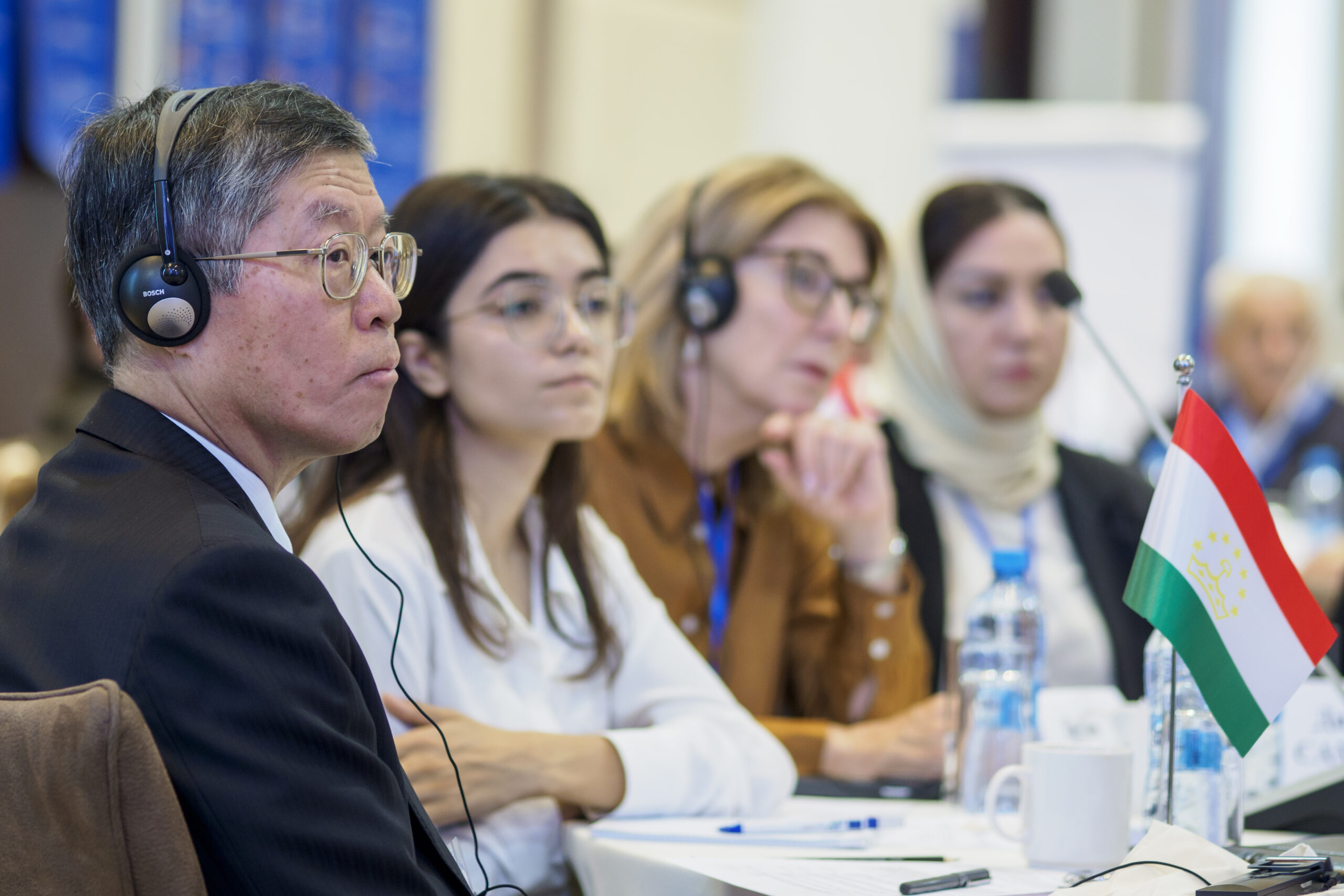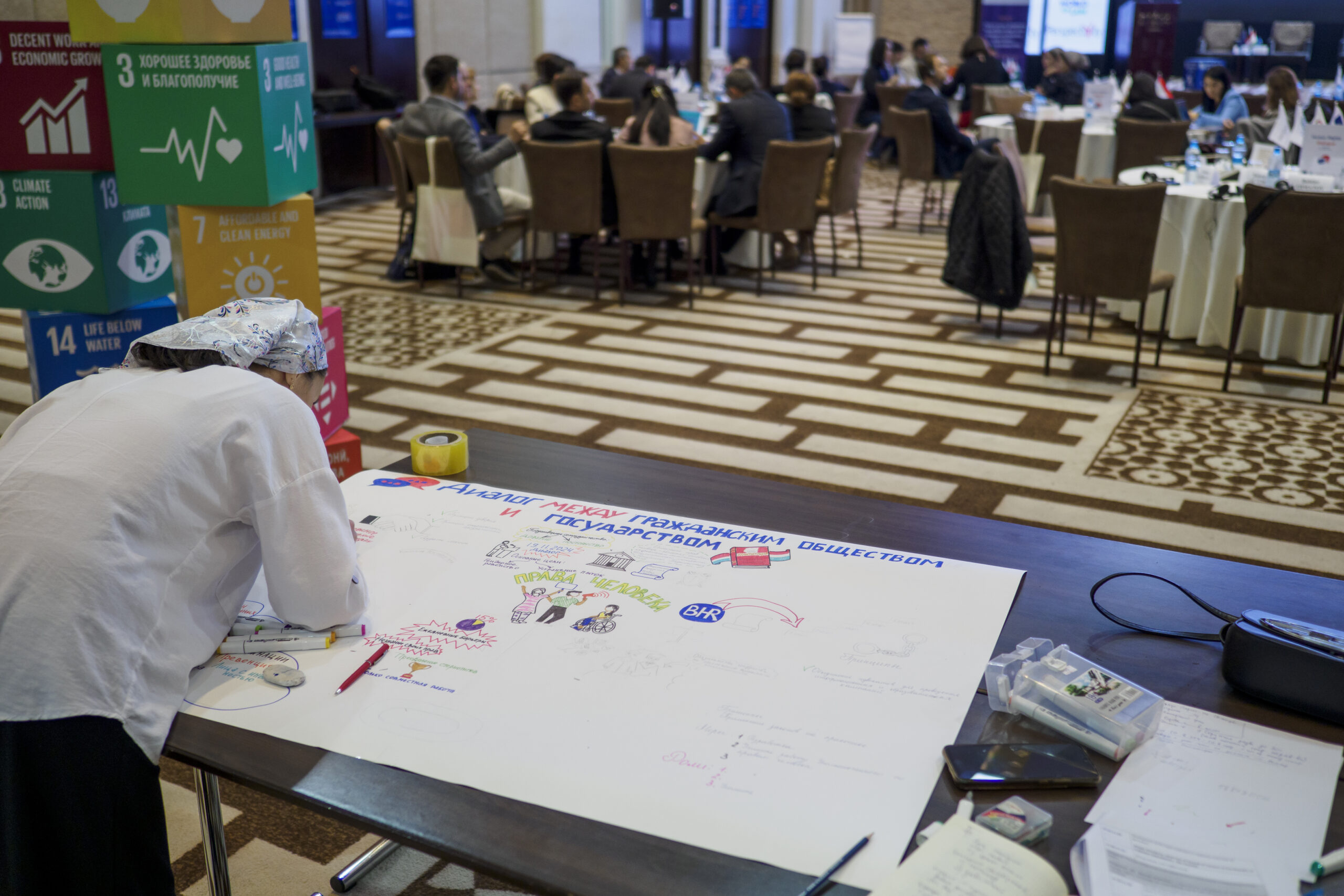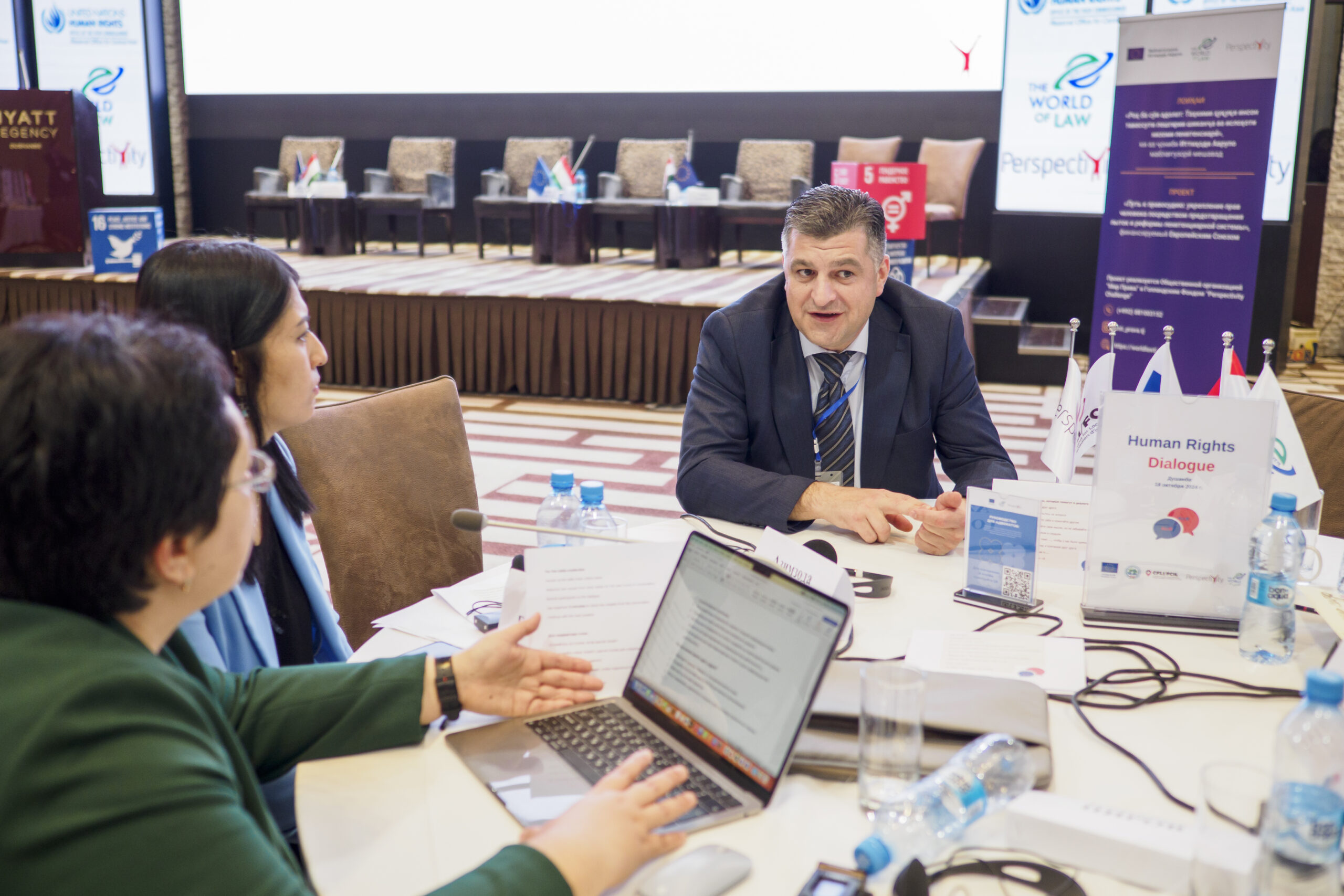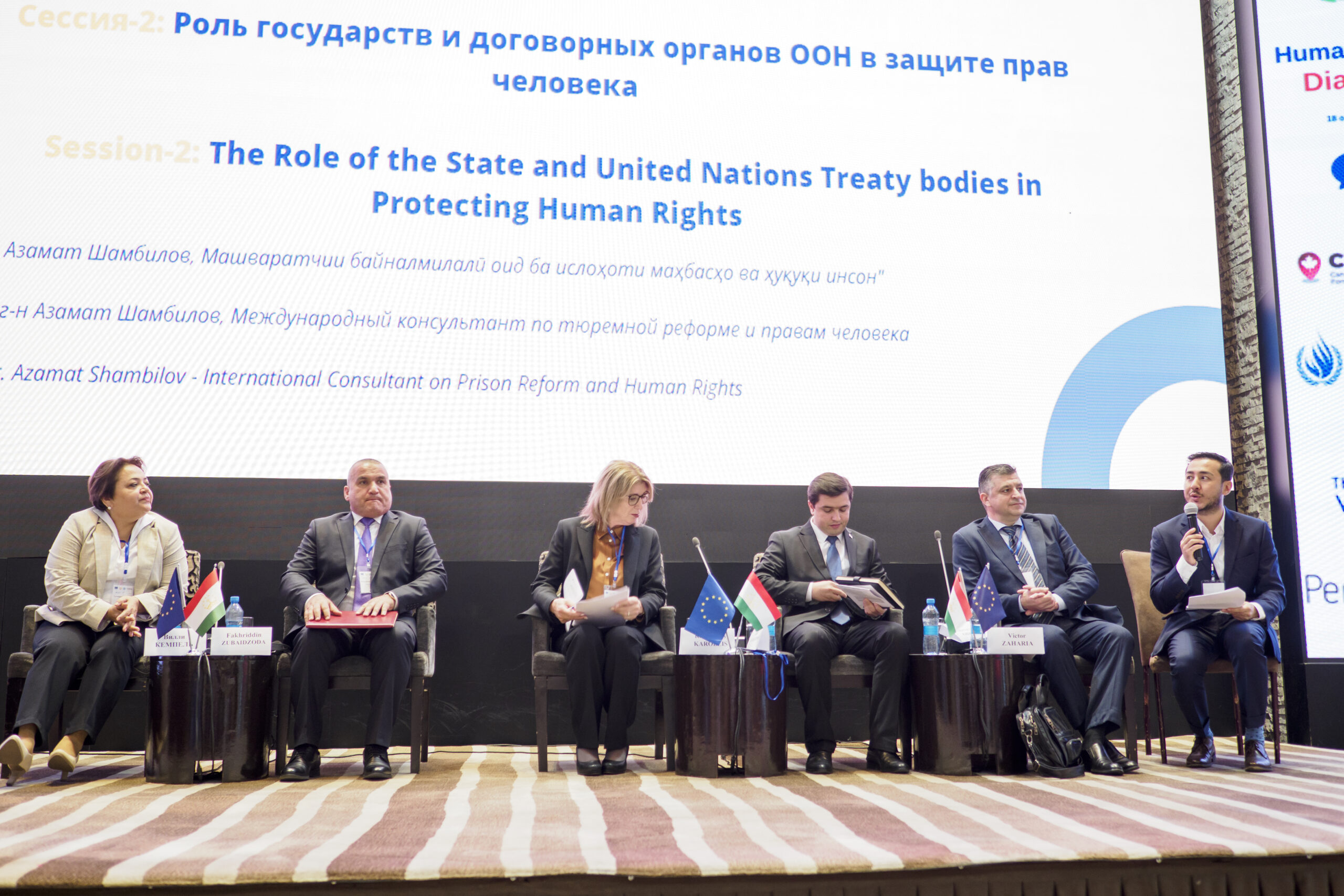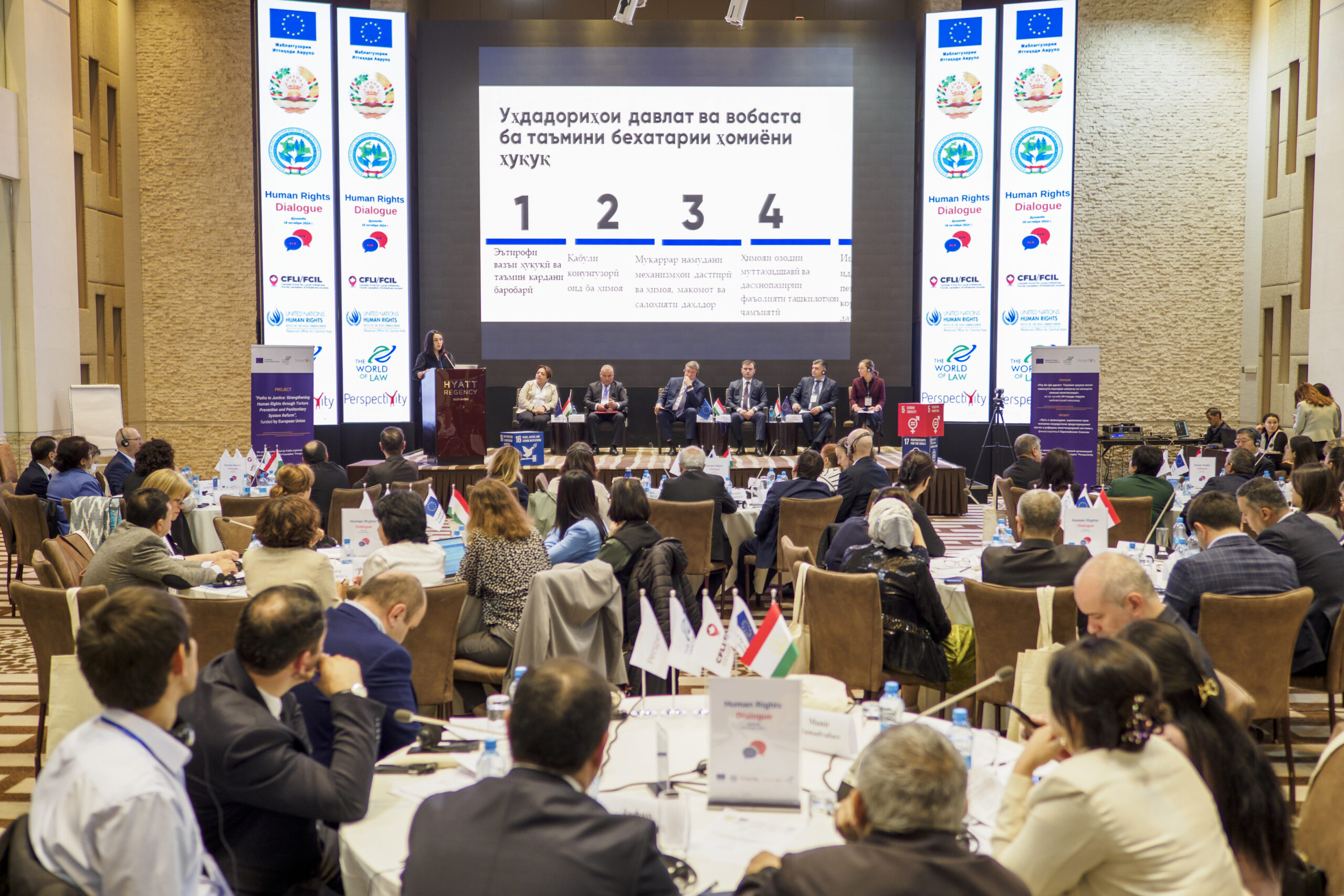
Dushanbe, 18 October 2024 – An important event dedicated to discussing key human rights issues took place in the capital of Tajikistan. The dialogue between state institutions and civil society aimed to strengthen cooperation and develop joint solutions for the promotion of human rights in the country. The event brought together representatives of key government bodies, civil society organizations, international experts, and partners, including representatives of the United Nations and the European Union.
The event marked a significant step toward enhancing cooperation between civil society and the state. Participants included representatives of the Executive Office of the President of Tajikistan, the Ministry of Justice, and the Office of the Ombudsman, as well as lawyers, human rights defenders, and international experts, including members of the UN Committee against Torture and the UN Subcommittee on Prevention of Torture. Particular attention was given to the prevention of torture and ill-treatment in places of detention. According to international organizations, despite certain progress, the issue of torture remains relevant in Tajikistan. In 2023, several cases of ill-treatment in detention facilities were reported, highlighting the need for more decisive measures in this area.
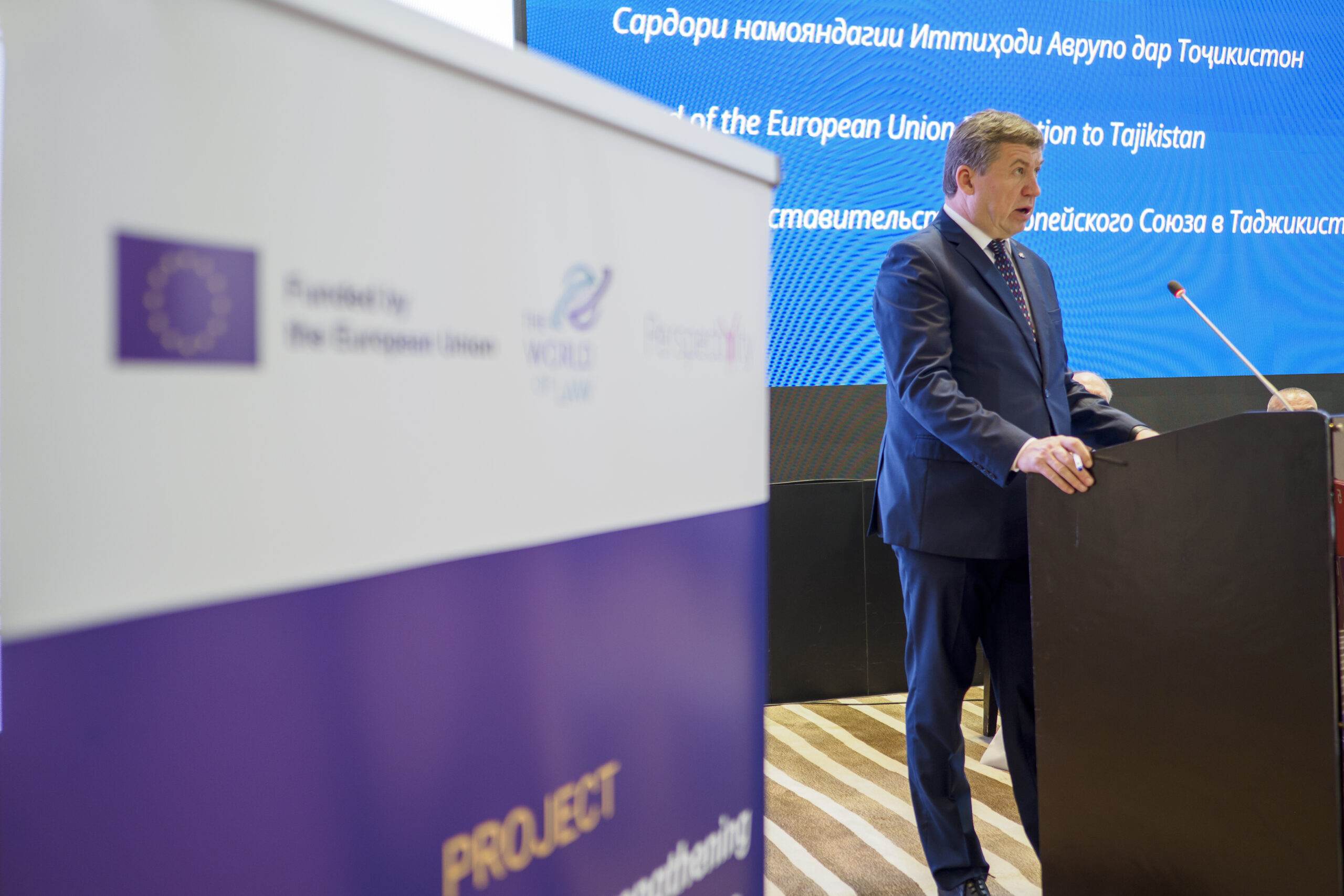
The Ambassador of the European Union to Tajikistan, Raimundas Karoblis, emphasized the importance of cooperation between the state and civil society on human rights issues:
“Protecting human rights requires unity and cooperation. A society free from violations, where the rule of law prevails, is only possible when the state and civil society work together. This partnership is essential not only for the protection of human rights but also for sustainable development and economic growth.”
The dialogue covered a wide range of issues, including the role of civil society in protecting the rights of persons deprived of liberty, as well as alternative measures aimed at reducing reliance on imprisonment as a form of punishment. Experts noted a growing interest in penitentiary reform in recent years. In particular, the project “Path to Justice: Strengthening Human Rights through the Prevention of Torture and Reform of the Penitentiary System,” funded by the European Union, will contribute to training more than 200 lawyers and human rights defenders in methods of preventing torture and addressing human rights violations in places of detention.
Addressing the protection of vulnerable groups, such as women, children, and persons with disabilities, the Director of the Public Organization “World of Law,” Gulchehra Kholmatova, stated:
“The situation regarding the protection of vulnerable groups requires special attention. Our dialogue has provided an important opportunity to exchange views and experiences. It is crucial that the outcomes of today’s discussion are not left on paper but are implemented in the practical work of state institutions.”
One of the key topics discussed was the need to improve the performance of state bodies in complying with international human rights standards. As noted by a representative of the Ombudsman’s Office of Tajikistan, dialogue with civil society plays an important role in building a more transparent and accountable system of human rights protection mechanisms. It is expected that the outcomes of the dialogue will be submitted to government bodies for further analysis and implementation at the level of state programs.
In conclusion, Gulchehra Kholmatova added:
“This dialogue should not be a one-time event. We intend to organize such meetings annually to ensure continuous monitoring of the human rights situation and the provision of recommendations for improvement. Today’s meeting is only the beginning of a long path toward a more just and humane system of human rights protection.”
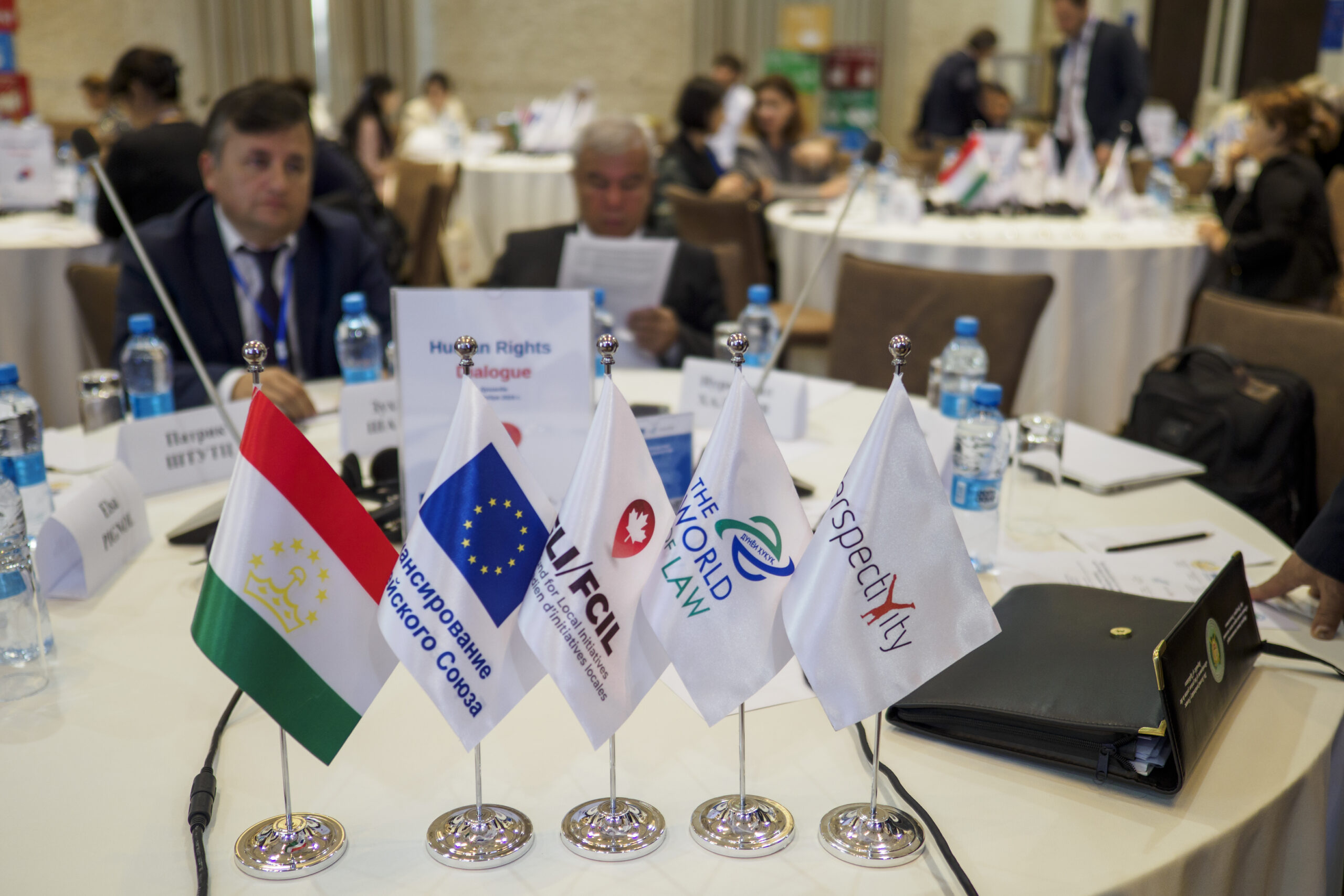
The event was organized by the Public Organization “World of Law” in partnership with the Dutch foundation “Perspectivity Challenge,” within the framework of the projects “Path to Justice: Strengthening Human Rights through the Prevention of Torture and Reform of the Penitentiary System,” funded by the European Union, and “Promoting Human Rights and Accountability in Places of Detention in Tajikistan with a Gender Perspective: Research, Dialogue, and Awareness Raising,” funded by the Canada Fund for Local Initiatives (CFLI). Cooperation was also carried out with the Executive Office of the President of Tajikistan, the Ombudsman of Tajikistan, and the Regional Office of the UN High Commissioner for Human Rights for Central Asia.
The dialogue was dedicated to the 30th anniversary of the Constitution of the Republic of Tajikistan and aimed at strengthening the protection of human rights in the country. It is expected that the conclusions and recommendations developed during the meeting will significantly contribute to improving the human rights situation in Tajikistan and further advancing the implementation of international standards within the national human rights system.